



rTMS for OCD
Where Are You Right Now?
Everyone comes to this page from a different place. Pick the one that sounds most like you and start there.
rTMS for OCD: Does It Help, Who It Helps, and What to Expect
A simple guide for people who have tried medicines or therapy and still feel stuck with OCD.
Still Struggling With OCD After Medicines or Therapy?
You have already tried things. You may be on medicines. You may have done therapy. You are probably not where you want to be.
Maybe things have improved a little. But the thoughts are still there. The rituals are still taking time. You are still arguing with your own mind every day. That is exhausting in a way that is hard to explain to anyone who has not been through it.
This is not because you have not tried hard enough. It is not because your treatment was wrong. OCD is one of the harder conditions to treat because of the way it works in the brain. Some people need more than one approach before they find real relief. This article is for those people.
Why OCD Is Hard to Treat: The Brain Loop Explained
OCD is not just anxiety. It is not just “being particular.” What is actually happening is more specific than that.
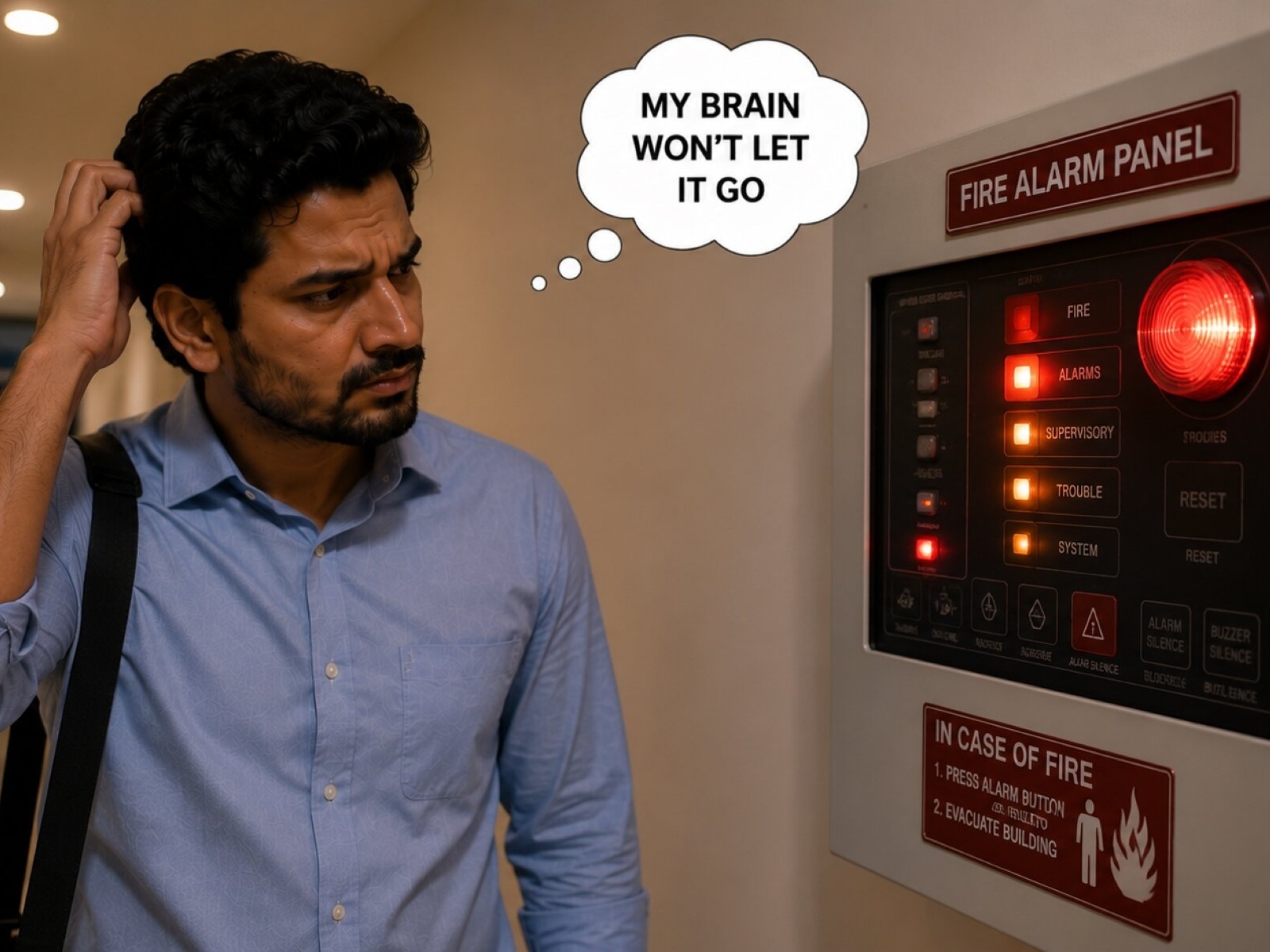
There is a loop in the brain that keeps sending the same alarm signal over and over. The part of the brain that is supposed to notice a threat and move on, keeps firing instead. The signal goes around and around: threat detected, do something, check, threat still there, do something again.
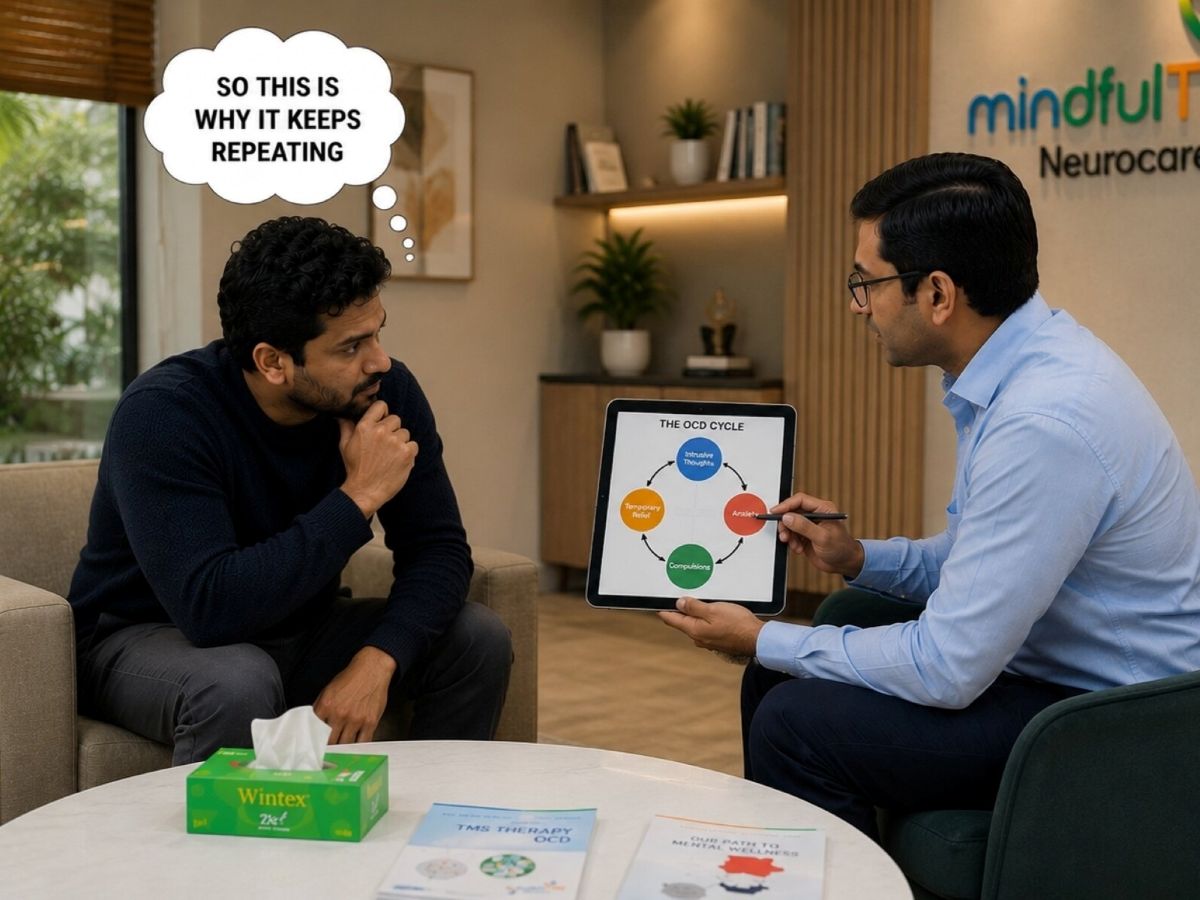
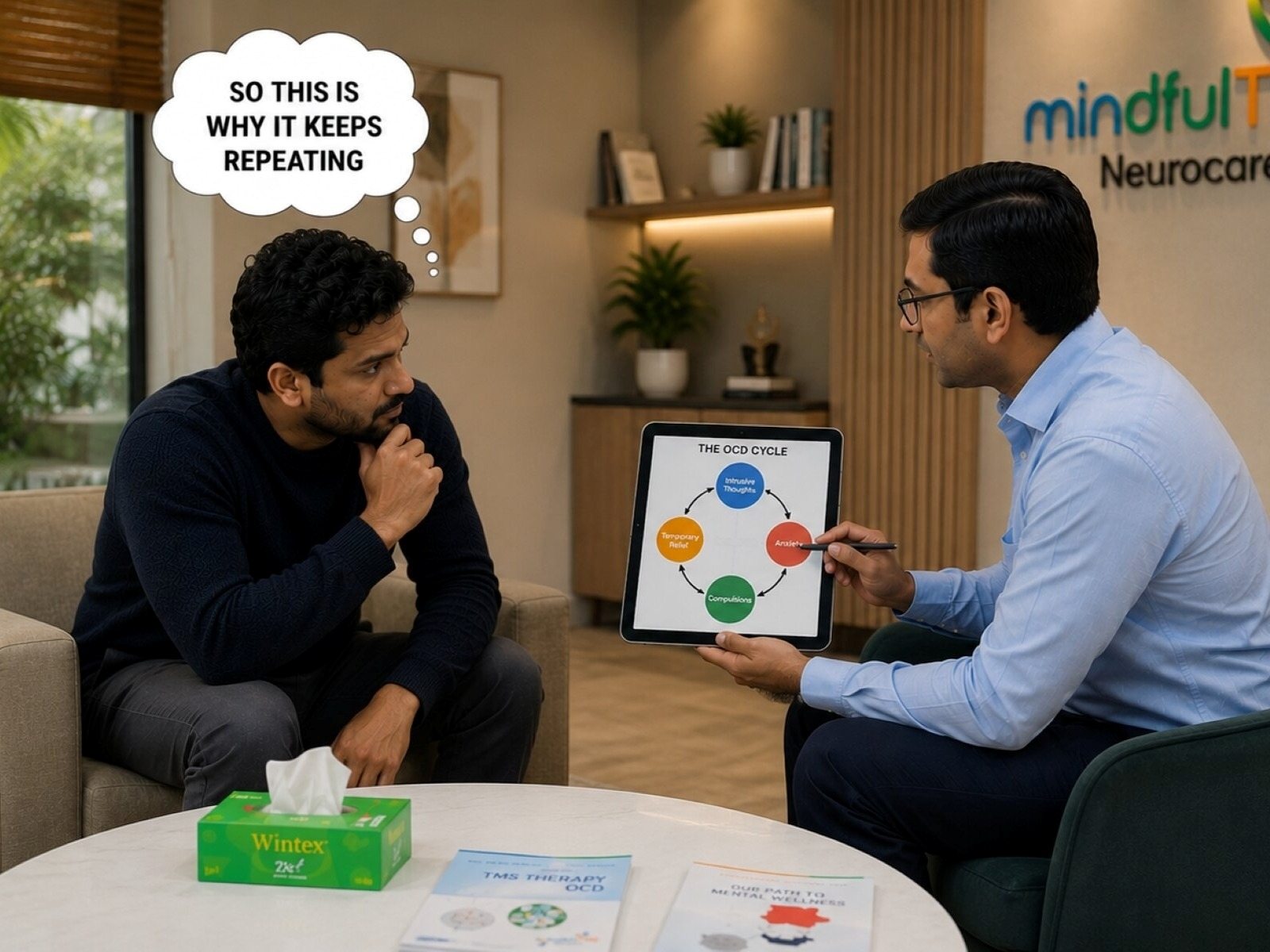
This loop does not go away with willpower. You cannot think your way out of it because the loop is not running through the thinking part of your brain. It is running through a deeper part that does not respond to reason. It responds to repetition, to practice, and, in some cases, to direct treatment.
That is where rTMS comes in.
How rTMS Works for OCD
rTMS stands for repetitive Transcranial Magnetic Stimulation. It is a non-surgical treatment that uses magnetic pulses to stimulate the brain. No surgery, no needles, nothing goes into your body.
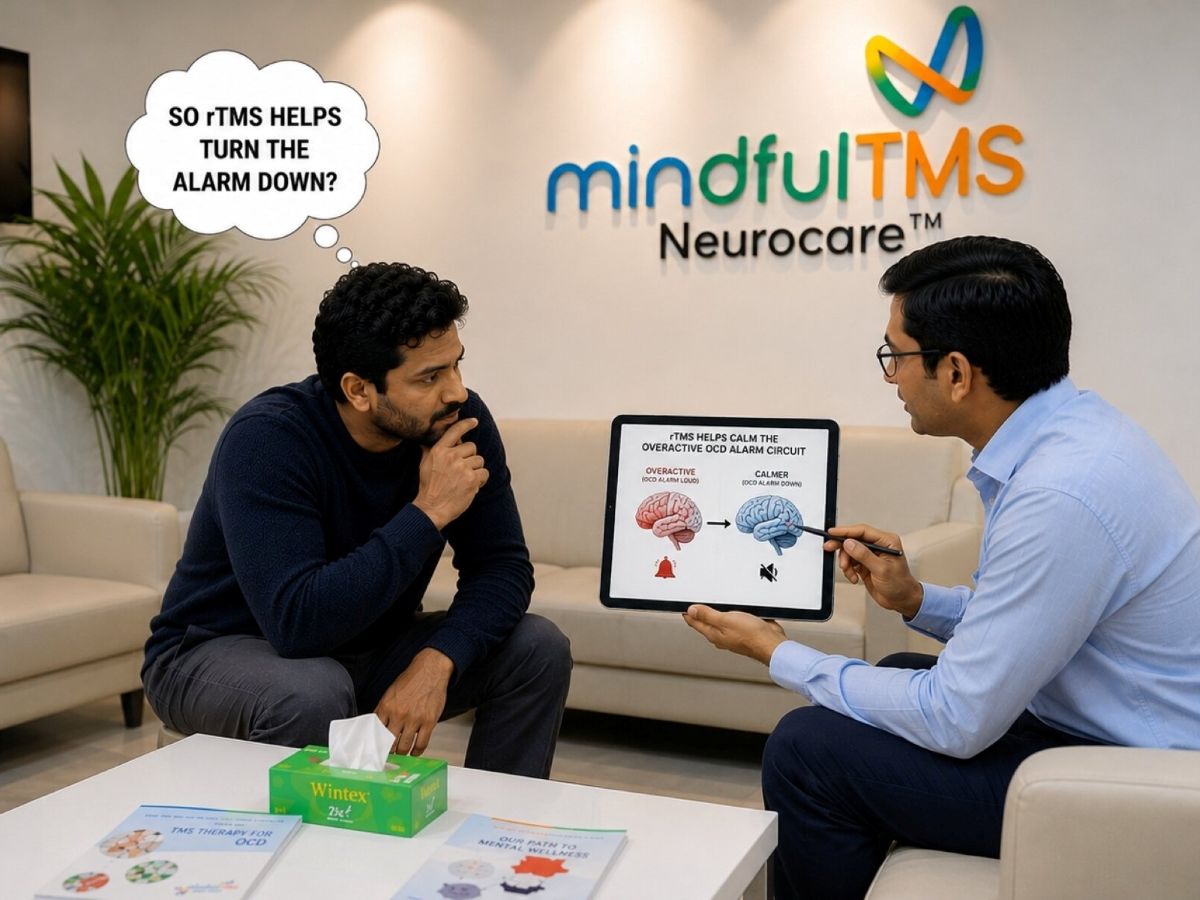
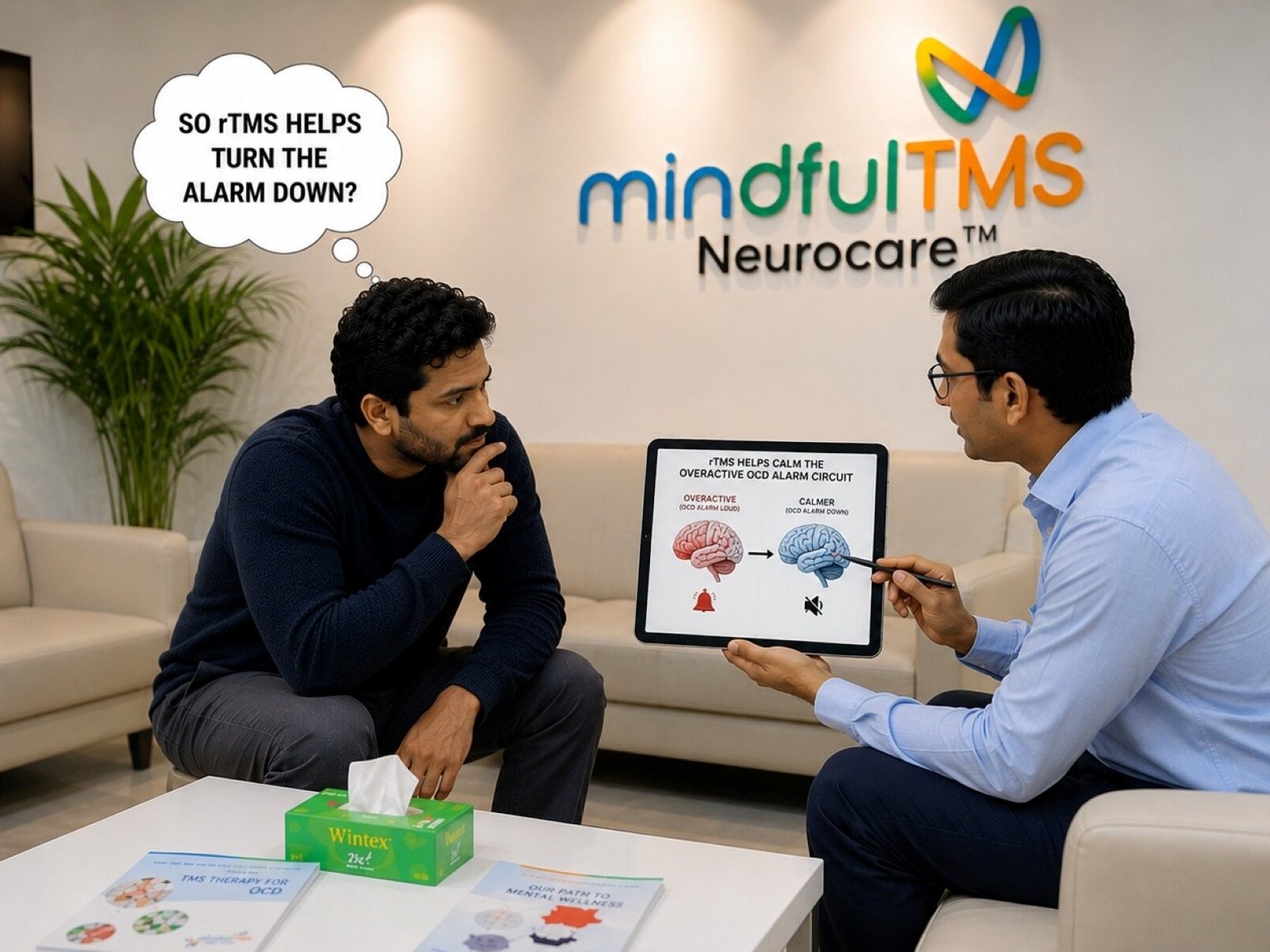
In OCD, rTMS targets the part of the brain where that loop is stuck. The magnetic pulses go into that area and slowly calm that activity down. They do not erase the thoughts. They do not remove memories. What they do is make the alarm quieter.
How a Quieter Alarm Helps You
When the alarm is quieter, the thought still comes in, but it is less urgent. The urge to do the ritual is weaker. There is a little more space. And in that space, you can start to make a different choice.
rTMS does not do that work for you. But it makes that work easier than it was before.
Does rTMS Work for OCD? What the Research Shows

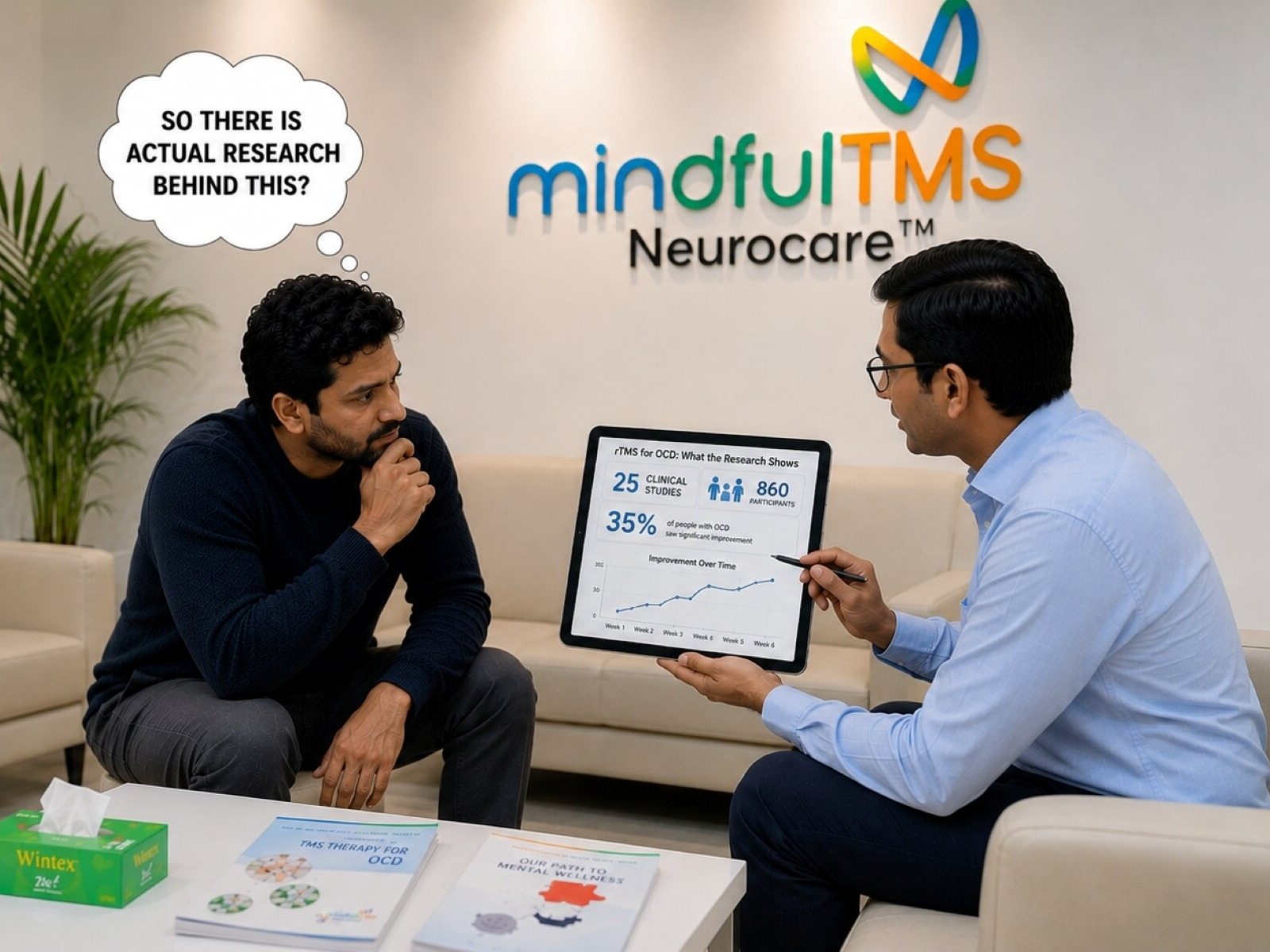
25
Clinical studies
860
People with OCD
35 in 100
Saw real improvement
This treatment has been studied properly across 25 clinical studies involving 860 people with OCD. About 35 out of every 100 people with OCD saw real improvement with rTMS. That is a real number. It is not a cure, and it does not work for everyone. But for many people who had already tried medicines and therapy and were still struggling, rTMS gave them something that nothing else had.
It works differently for different people. The best way to know whether it can help you is to talk to our team.
What an rTMS Session Feels Like
You sit in a comfortable chair. A small device is placed near your head. You feel a light tapping on your scalp. That is it.


How Long Is One rTMS Session?
Each session takes 20 to 40 minutes. No needles, no sedation, nothing to recover from. When it is done, you get up and go about your day. Most people go back to work. Some come in during their lunch break.
How Many rTMS Sessions Are Needed for OCD?
The full course is usually 25 to 30 sessions over five to six weeks, five days a week. It is a time commitment. People who complete the full course get the best results. Coming for five or six sessions and then stopping will not give you the results the research shows.
rTMS and ERP Therapy Together: Why the Combination Works
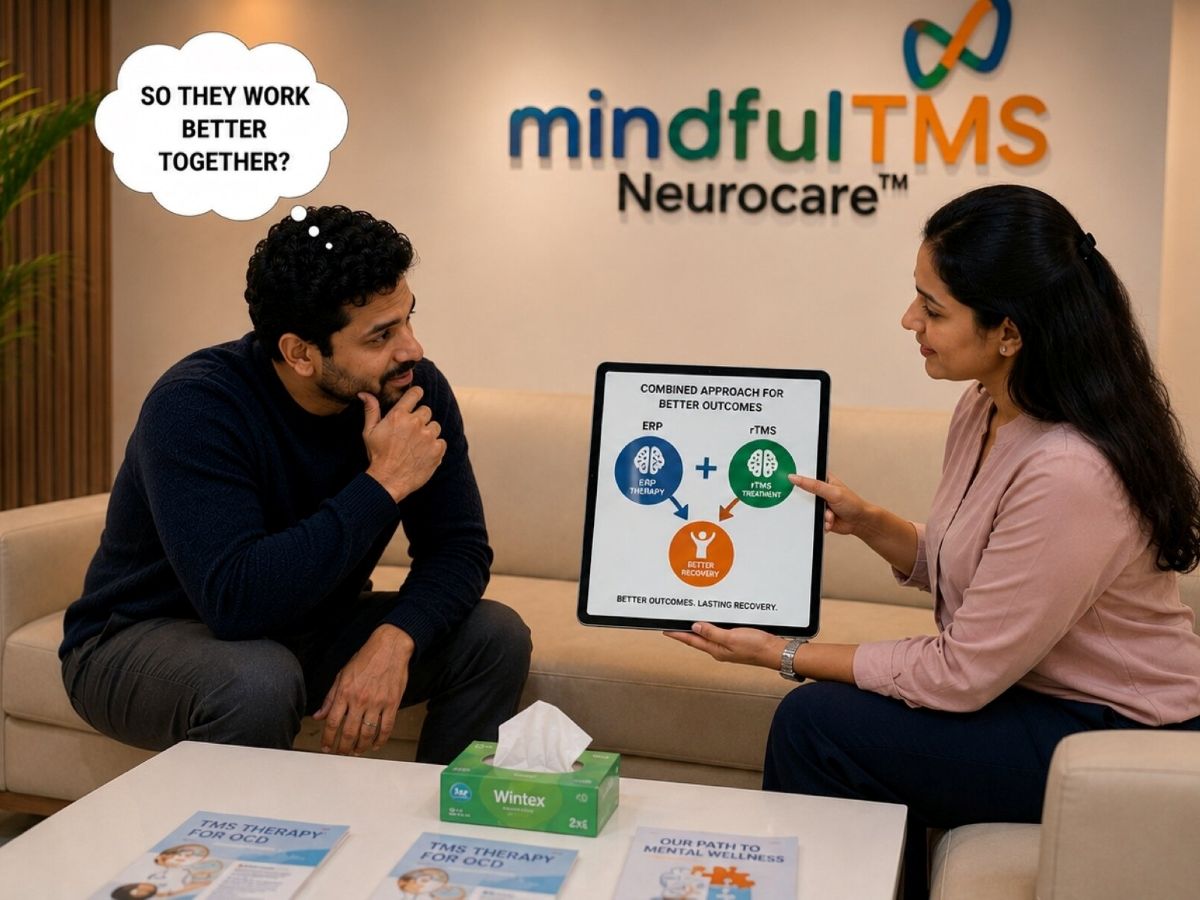
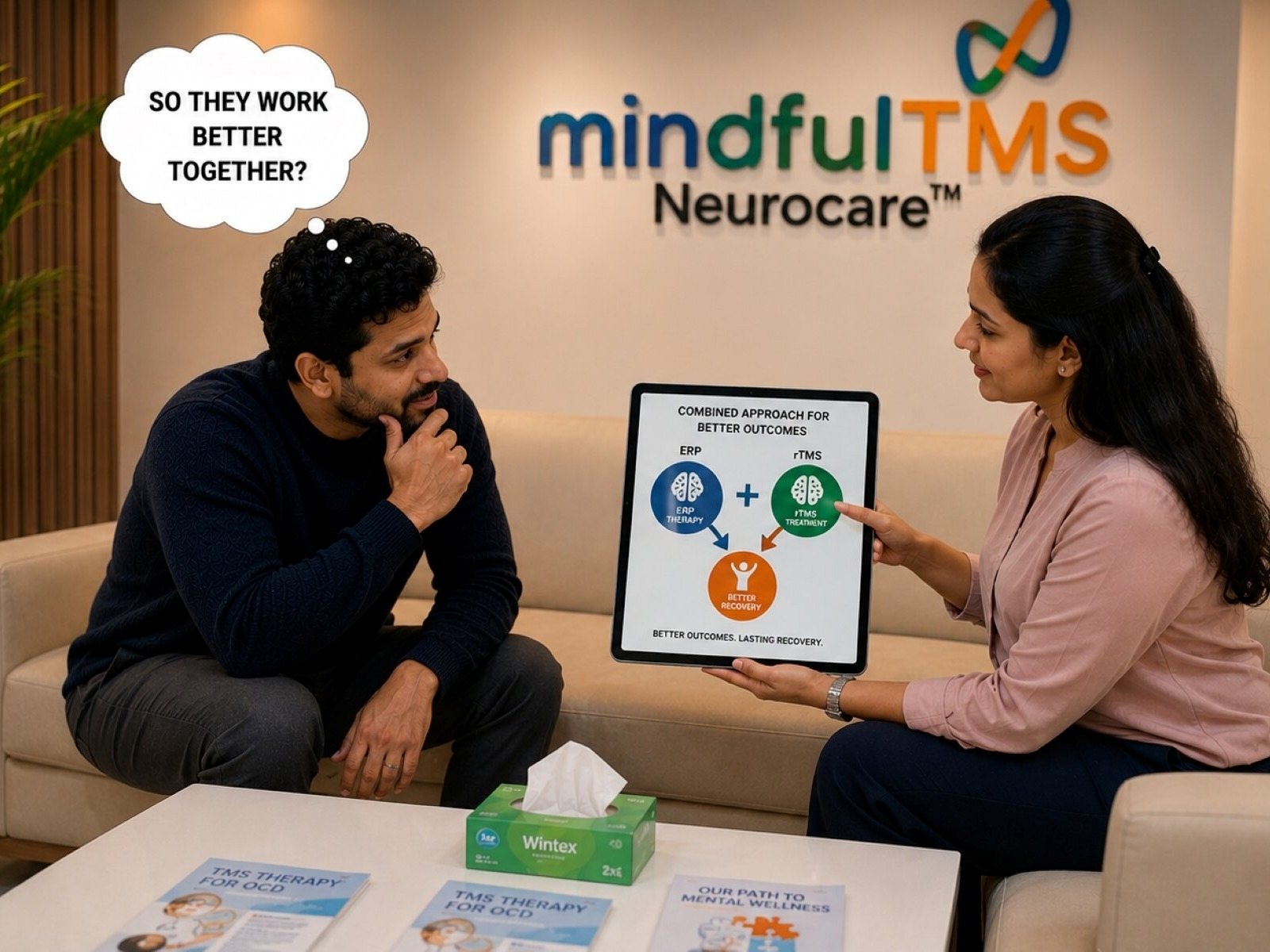
For OCD, rTMS works especially well when it is done along with a type of therapy called Exposure and Response Prevention, which most people call ERP.
Here is why they work well together.
What rTMS Does
rTMS calms the brain circuit that is driving the loop. That is what the magnetic pulses are doing over the weeks of treatment. The alarm gets quieter. The urge to do the ritual gets weaker.
What ERP Does
ERP, at the same time, is teaching you to face the fear without doing the ritual. You practise sitting with the discomfort and letting it pass on its own, without checking, without repeating, without undoing it in your head.
How They Help Each Other
When rTMS is calming the brain and ERP is building the new response, they help each other. The brain is calmer, and the new way of responding gets repeated enough to start feeling normal. Over time, the loop weakens because both things are happening at once.
Our team will look at your situation and decide whether this combination makes sense for you. Not everyone needs both. But for many people with OCD, this is where the real improvement comes from.
Practical Questions Before Starting rTMS

Do I Have to Stop My Medicines?
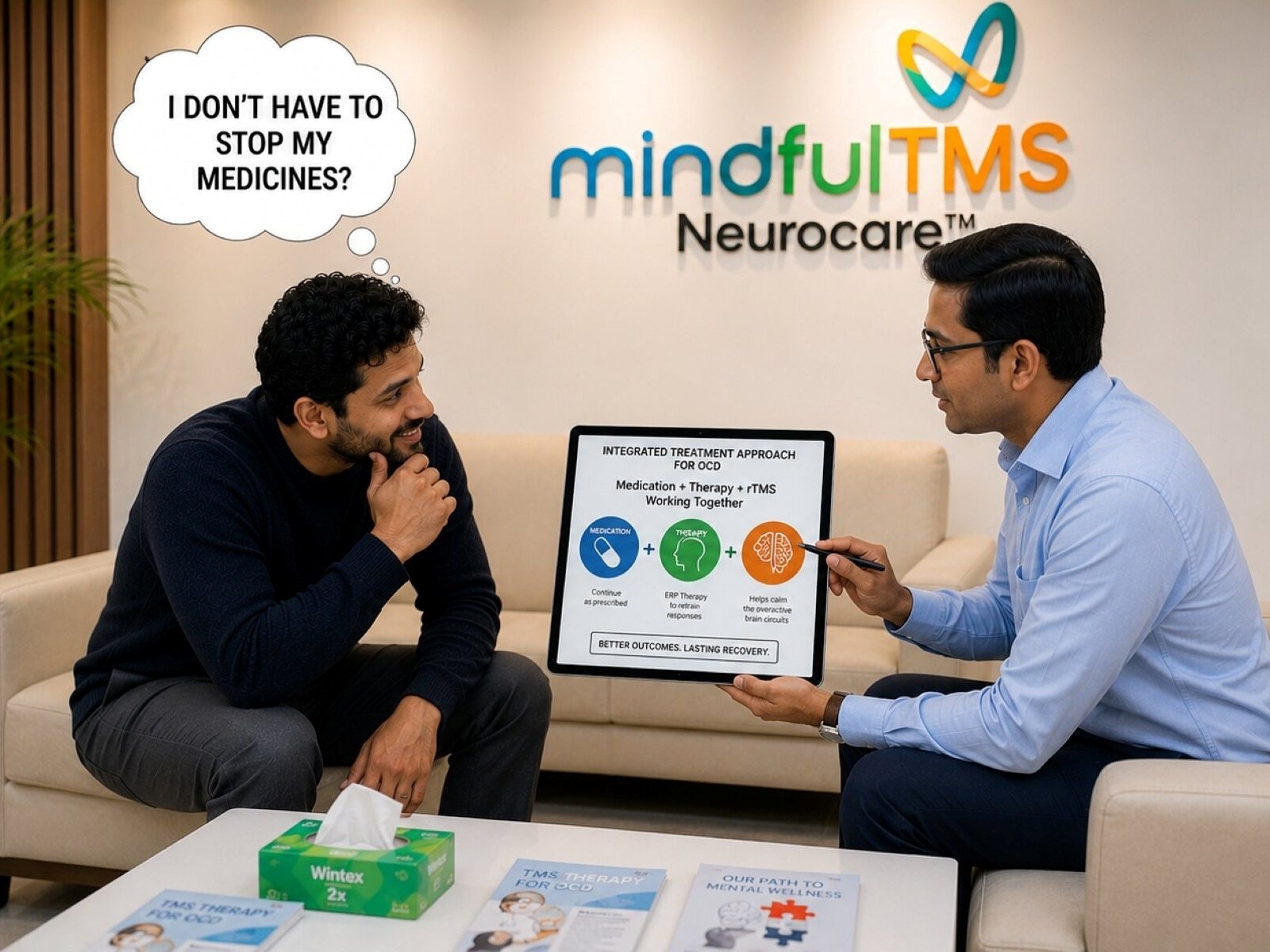
No. rTMS can be done along with your current medicines. In fact, most people who come for rTMS are already on medicines and continue them during treatment. Your doctor will go through what you are taking and let you know if anything needs to change.
Does rTMS Hurt?
Most people feel a light tapping or a mild pressure on the scalp during the session. Some people find the first session a little uncomfortable as they get used to it. That usually settles within the first few sessions. There are no needles, no cuts.
How Long Before I Notice a Change?
Most people start to notice something between week two and week four. It is usually small at first: the thoughts feel a little less urgent, the day feels a little more manageable. The full benefit often continues to build for a couple of weeks after the course ends.
Can I Go to Work After a Session?
Yes. You can go about your normal day after each session. There is nothing to recover from. Most people come in the morning or during their lunch break and continue with their day.
Will My Family Need to Be Involved?
Not in the sessions themselves. But if family members have been pulled into your OCD, for example, if they have been reassuring you or helping with rituals, your therapist may want to talk to them at some point. This is something your team will guide you through based on your situation.
Can I Bring a Family Member to My Sessions?
Yes. You are welcome to bring someone along. Many people find it reassuring to have a family member come for the first session. After that, most people come on their own. If you prefer to have someone with you throughout, just let the team know.
Who Is a Good Fit for rTMS for OCD?
rTMS May Be Right for You If
- ✓You have been on medicines for OCD and the improvement has not been enough. You are still spending hours on thoughts and rituals, you still feel like OCD is running your day.
- ✓You have tried medicines and found the side effects difficult to manage.
- ✓You are already doing ERP therapy and it is helping a little, but you feel like the brain is still pushing back too hard for the therapy to fully work.
- ✓You want to add something to what you are already doing rather than replacing it completely.
Who May Not Be a Good Fit Right Now
People who have metal implants in or near the head, such as cochlear implants or metal clips placed during brain surgery, cannot receive rTMS because it uses magnetic fields.
If you have not yet tried any treatment for OCD, starting with therapy, specifically ERP, is the right first step. rTMS works best when it is added to your treatment, not used instead of the first step.
rTMS for OCD: Frequently Asked Questions
Talk to Our Team About rTMS for OCD
You do not need to be sure before you reach out. You do not need to have decided anything.
Come and talk to us once. Tell us what you have tried and where you are right now. We will tell you honestly whether rTMS is likely to help, what the sessions would look like, and what to realistically expect.
Your information is secure and confidential.
What Is OCD? Why It Is Not a Habit and Why It Does Not Go Away on Its Own
What happens in the brain, why willpower is not enough, and the treatments that help.
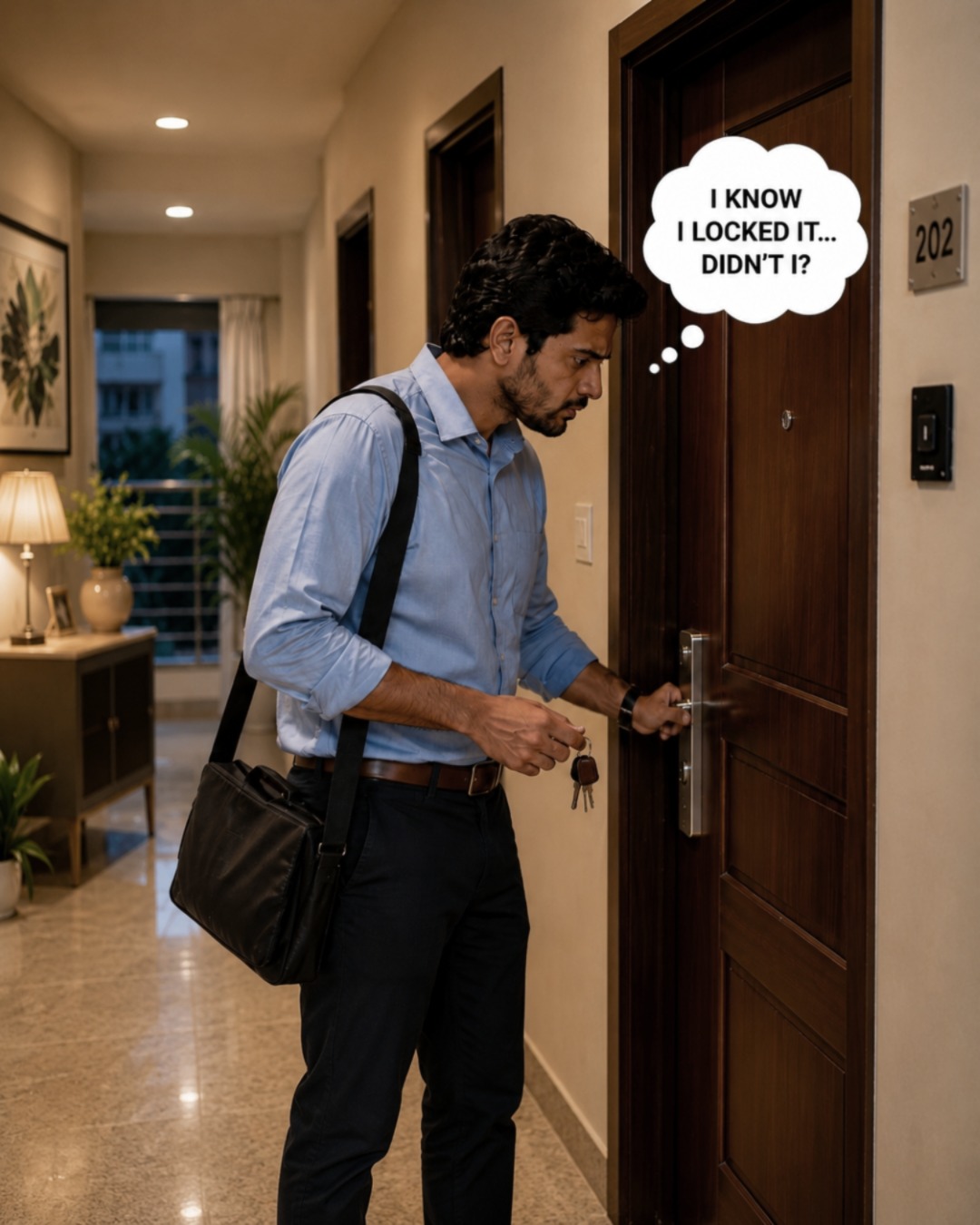

OCD Is Not Overthinking or Being Too Careful
You already know something is wrong.
You know the thought is not real. You know the door is locked. You checked it yourself, twice, and you watched yourself do it. You know the stove is off. You know your hands are clean. You know that nothing bad is going to happen.
And then the thought comes anyway.
And you check again.


People who have never experienced this think it is about being careful. Or being particular. Or having a certain kind of personality. They do not know what it actually feels like. The hours it takes. The way it eats into the morning until you are late and exhausted before the day has even started. The way it follows you. The way it can make something as simple as leaving the house feel like you just cannot do it. The way you can sit with a thought, you know it does not make sense and you can prove it to yourself, and still feel like you cannot move until you do the thing.
That is not a habit. That is not overthinking. That is OCD.
What Happens in the Brain When You Have OCD
OCD is not a character flaw. It is not anxiety that you just did not deal with the right way. It is not something you can just snap out of if you try hard enough.
Here is what is actually happening.
Your Brain’s Alarm System
Your brain has an alarm system. In most people, this alarm goes off when there is a real threat, and it goes quiet when the threat is gone. In OCD, the alarm goes off even when there is no real threat. And it is loud. And it feels completely real. Your body reacts to it the same way it would react to a real danger. Your chest tightens. Your mind cannot move past it.
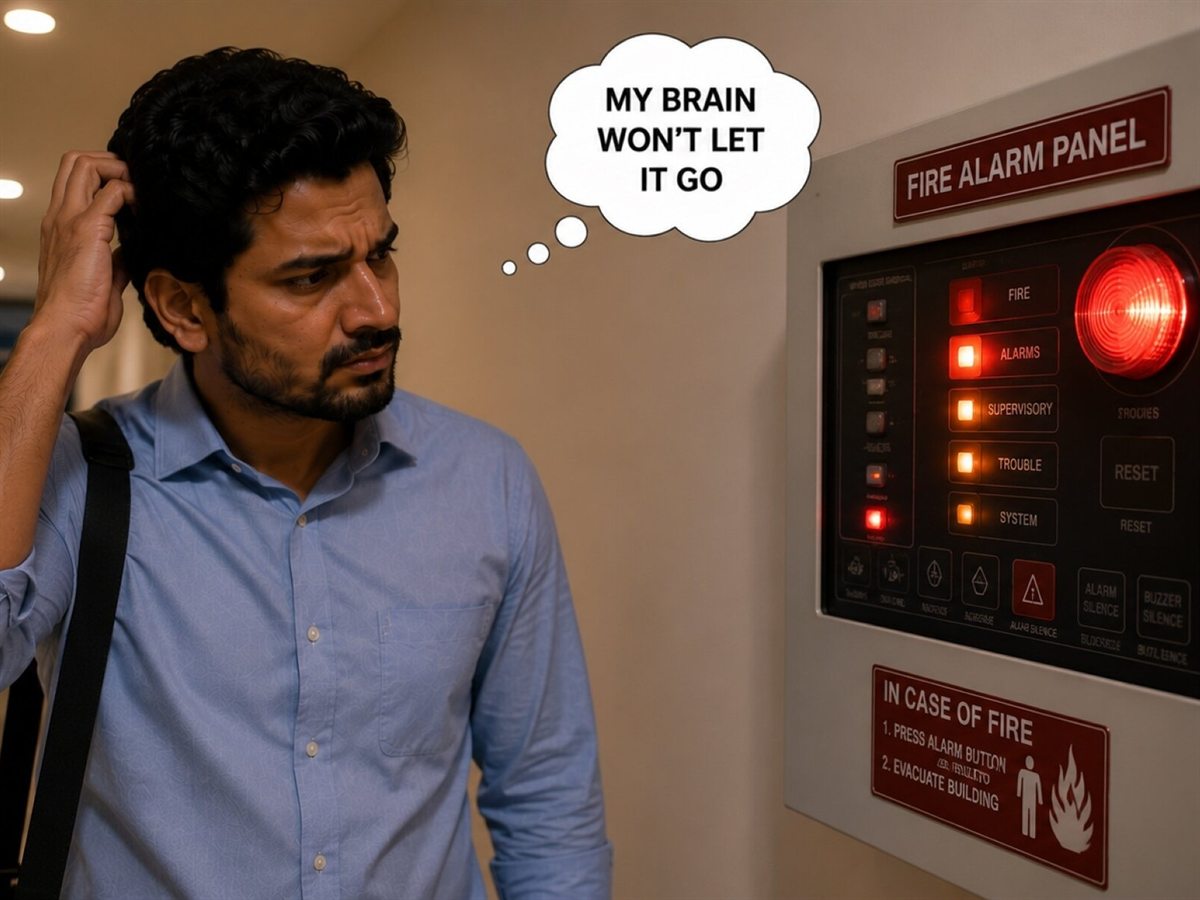
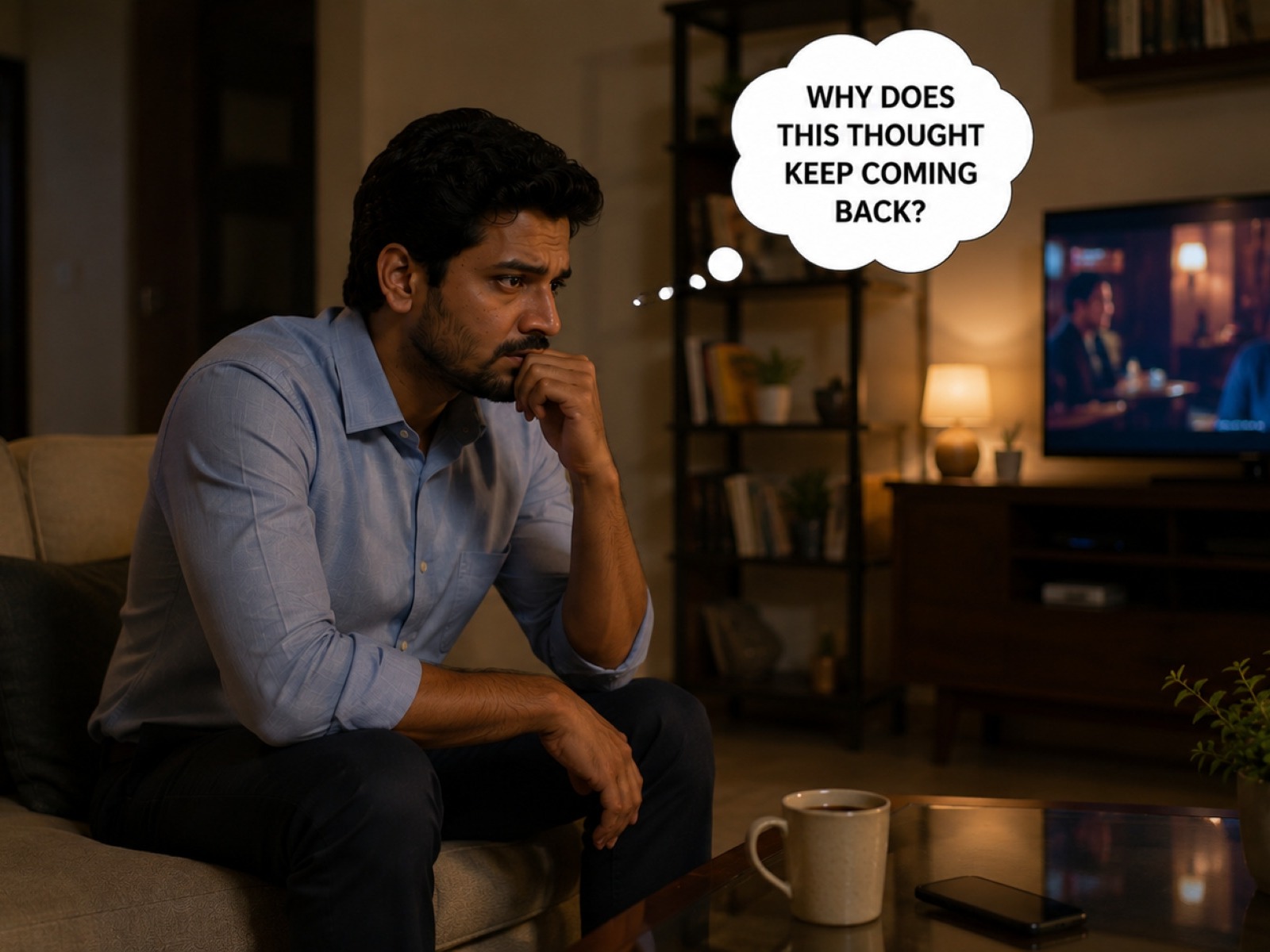
The OCD Loop: Why Checking Makes It Worse
So you do something to make it stop. You check. You wash. You repeat the phrase. You rearrange. You ask for reassurance. And for a moment, it works. The alarm goes quiet.
But then it comes back. Louder this time, or sooner. Because your brain has learned something: doing that thing makes the alarm stop. So now the brain sends the alarm again, and again, and again. The loop keeps going. It does not stop on its own, because the brain is not broken. It is doing exactly what it learned to do.
Step 1 of 4
Intrusive thought
A doubt or scary thought shows up out of nowhere. Did I lock it? What if I hurt someone?
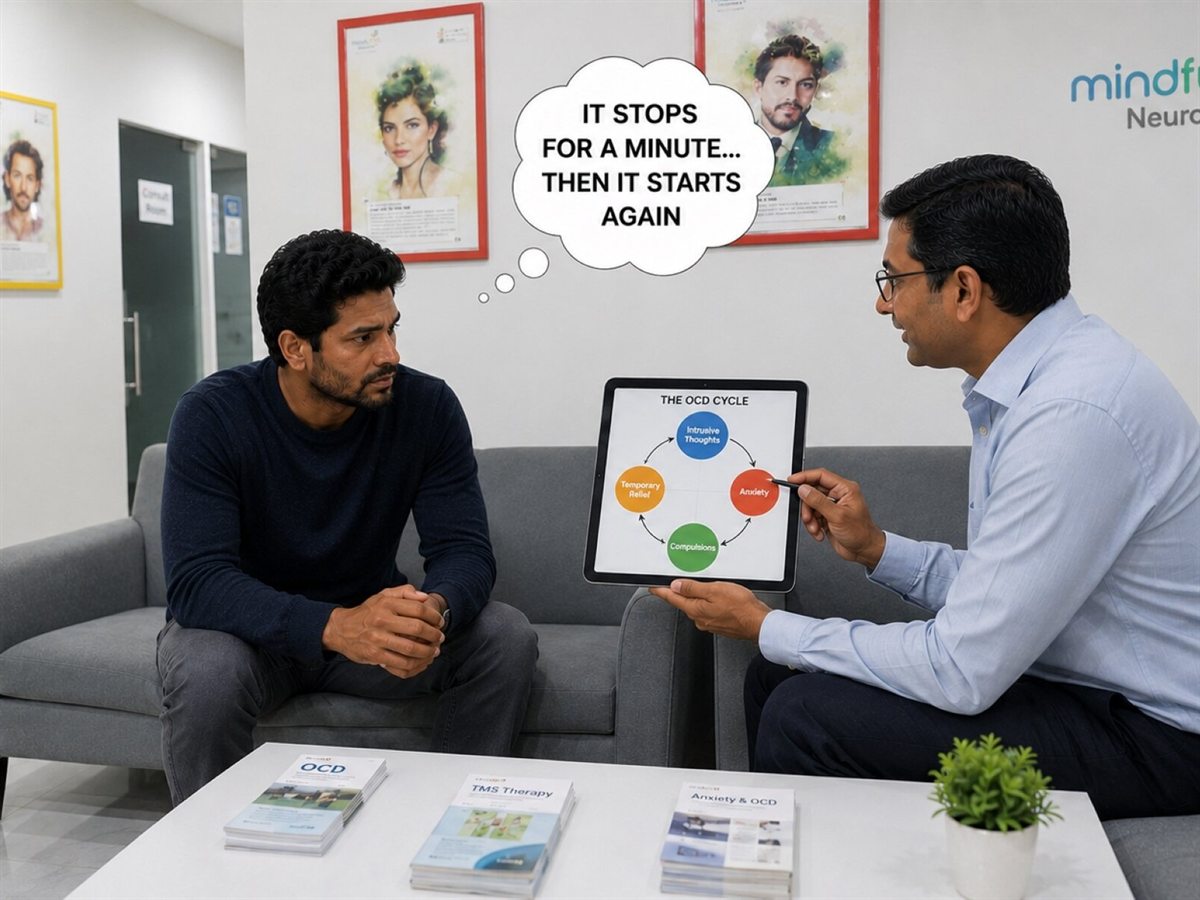

This is the loop at the heart of OCD. You did not create it. You cannot push yourself out of it by trying harder.
Why “Just Stop Doing It” Does Not Work for OCD
If you have OCD, there is a good chance someone has said this to you. Your parents. Your spouse. A relative who means well. Maybe you have said it to yourself.
Just stop. You know it does not make sense. Why do you keep doing it?
It feels like a reasonable thing to say. From the outside, what you are doing looks like a choice. It looks like stubbornness, or habit, or maybe a strange habit you could drop if you really tried. So the people who love you get frustrated. They push you to stop. And when you cannot, they may wonder if you are not trying hard enough.
But you are trying. You have been trying.
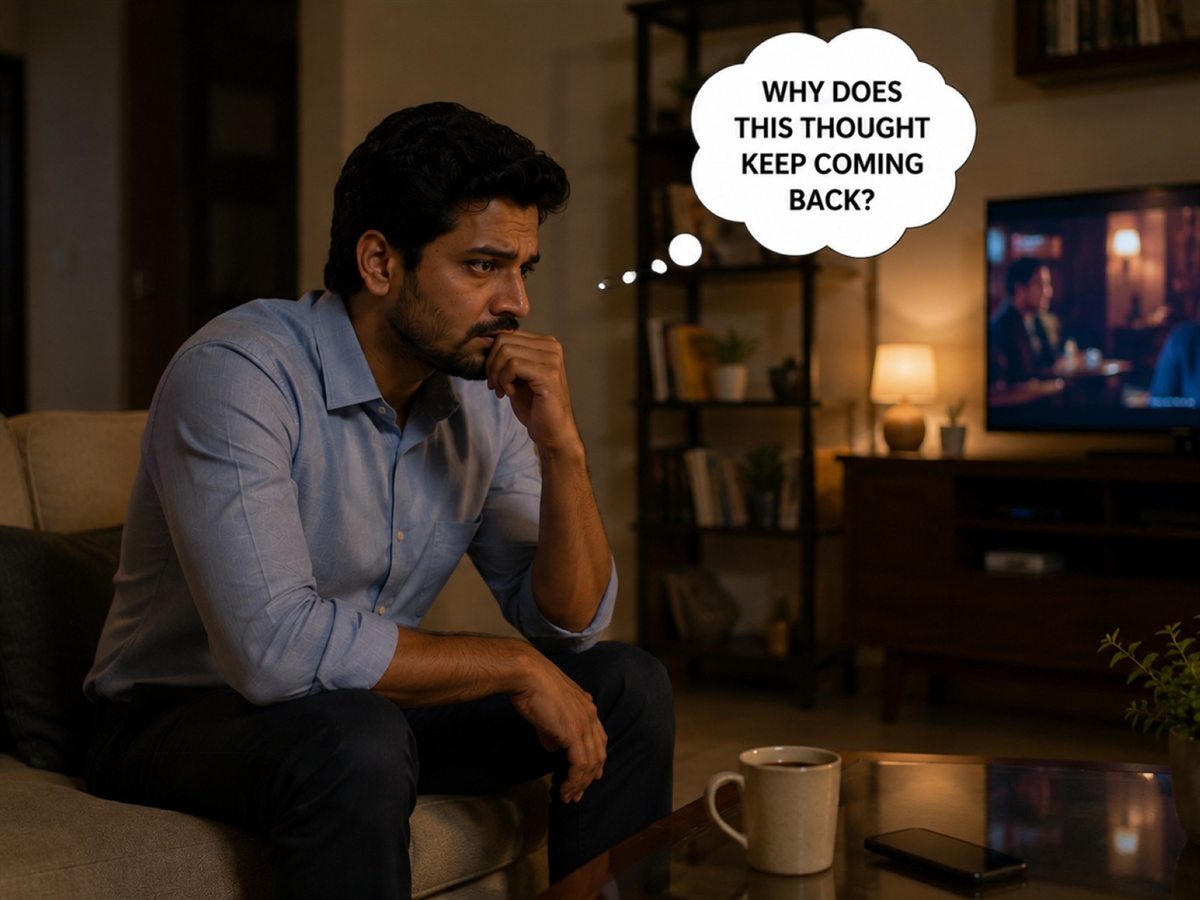

It Is Not a Choice. It Is a Response to Fear
The reason “just stop” does not work is that what you are doing is not a choice. It is a response to a real, physical feeling of fear. The alarm is going off. The brain is saying very clearly that something terrible will happen if you do not act. Telling yourself to ignore that alarm is like telling yourself not to flinch when someone raises their hand near your face. You know it is just a gesture. Your body reacts anyway.
OCD or Devotion? When Rituals Look Like Religious Practice
One more thing, and this matters for many families in India. Sometimes the compulsions look like religious practice. Repeating prayers a certain number of times. Washing before prayer in a very specific way. Following rituals around food, around entering a room, around certain numbers or words. A parent watching this may genuinely think their child is doing the right thing. They may not want to believe something needs treatment.
This is worth understanding clearly. There is nothing wrong with religious devotion that you do by choice, that feels peaceful and meaningful. OCD is different. The test is not what the action looks like. The test is how it feels.
Devotion
- Done by choice
- Brings peace and meaning
- Missing it once feels okay
- Leaves you feeling calmer
OCD
- Driven by fear
- Stopping it feels unbearable
- Must be exact, or a certain number of times
- Leaves you upset and worn out
If the ritual brings peace, that is devotion. If the ritual is driven by fear, if stopping it feels unbearable, if it needs to be done in a very exact way or a certain number of times or it does not feel right, and if the person doing it is upset and worn out by it, that is OCD. The action is not the problem. The loop driving it is.

Seeing this clearly is an act of care, not a challenge to faith.
OCD Treatment: What Actually Helps
The good news is that OCD is a condition that doctors know how to treat. There are treatments that work. They are not easy, and they take time, but they work.
ERP Therapy (Exposure and Response Prevention)
Therapy. Specifically, a type of therapy called ERP. ERP stands for Exposure and Response Prevention. The name sounds alarming. What it actually means is this: a trained therapist helps you face the thought, or the situation that sets it off, without doing the thing the OCD is pushing you to do. You sit with the feeling. You let the alarm ring without responding to it. And slowly, over time, the brain learns that nothing bad happens. The alarm gets quieter. The loop starts to break.
It sounds frightening. Most people are afraid of it before they try it. With a trained therapist guiding you, step by step, at a speed that works for you, it becomes something you can actually do. And it works.
Medicines for OCD
Medicines. For many people, medicines help make the thoughts less strong and the fear less sharp, enough that therapy becomes easier to handle. Not everyone needs medicines. But for some people, they are an important part of getting better. A doctor who understands OCD can tell you whether this is something to consider in your situation.
Time and the Right Support
Time and the right support. OCD does not go away in a week. It takes patience. Progress is not a straight line. But people who stay with the right treatment, with a team that understands what they are dealing with, do get better. The thoughts become less loud. The urge gets weaker. There is more space in your day.
What If Therapy and Medicines Have Not Helped Enough?
Some people try therapy. They try medicines. They try harder. And they still do not get the help they needed.
If this is where you are, there is something else worth knowing about.

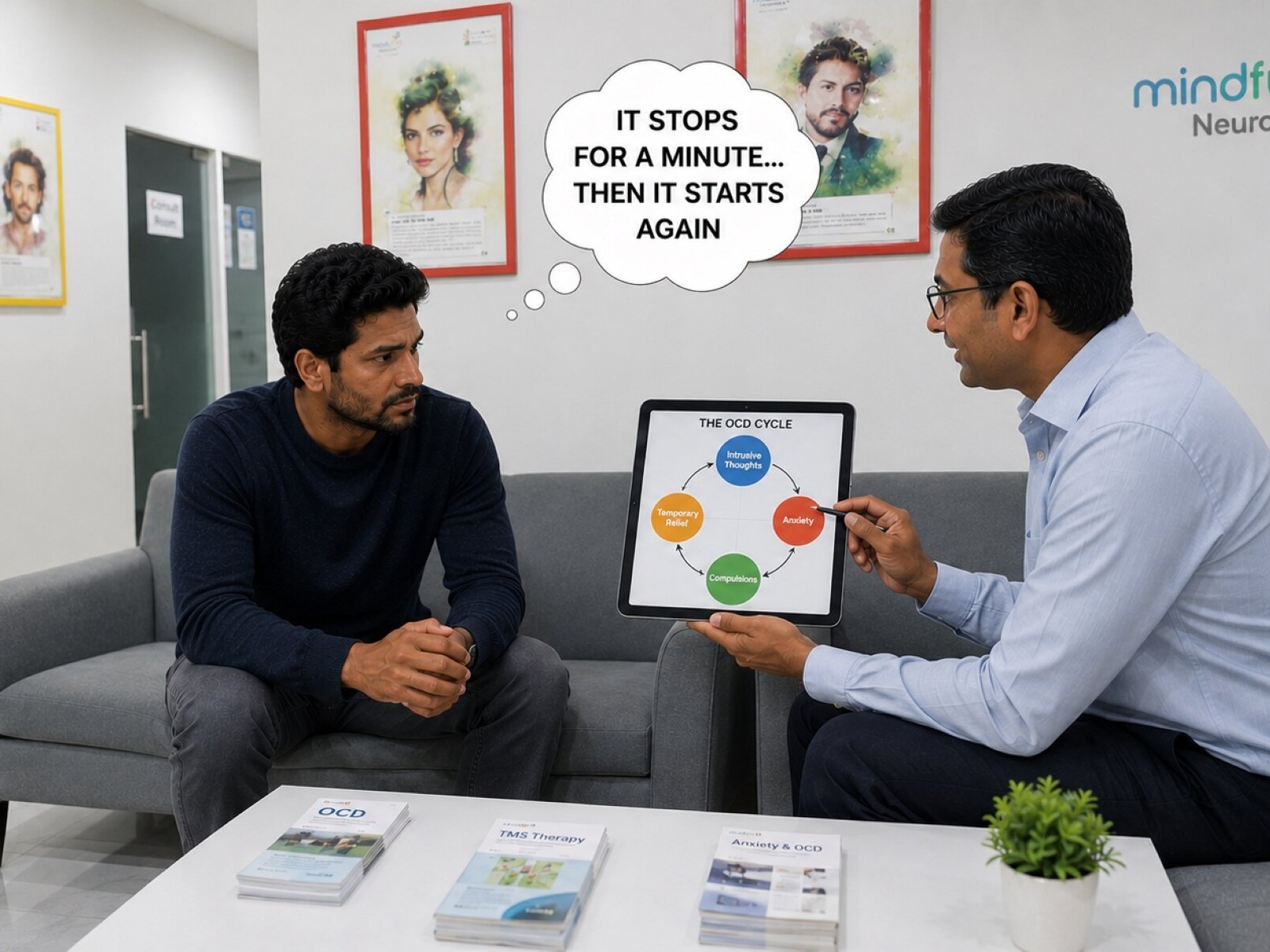
A newer treatment called rTMS, which uses gentle magnetic pulses to reach a part of the brain involved in the OCD loop, is now available in India. Studies involving hundreds of people show it can help with OCD, particularly when therapy or medicines have not been enough on their own. If you want to understand how it works and what to expect, our article on rTMS for OCD goes into more detail.
You Do Not Have to Manage OCD Alone


The hardest part of OCD is often not the condition itself. It is the feeling that no one around you understands it. That the people who love you see it as weakness or stubbornness. That you have tried to explain it and been met with “just stop.”
You are not weak. You are not dramatic. Your brain has learned a loop that is very hard to get out of on your own. It is not about who you are.
Our team works with people who are exactly where you are. Some of them have had OCD for years. Some of them are only now finding out what it is called. All of them came in not knowing what to expect.


If you want to understand what might help in your situation, come and talk to us. You do not need to have all the answers first. You just need to make one call.
Request a Callback and our team will reach out to understand your situation and explain what can help.
Your information is secure and confidential.
Intrusive Thoughts You Are Too Embarrassed to Tell Anyone About
Checking again and again, scary thoughts that feel wrong, and why they keep coming back.


Why Do I Keep Checking the Door Again and Again?
You locked the door. You know you locked it. You were standing right there when you turned the key. But two minutes later, you are back at the door because what if you did not. So you check. You lock it again, or maybe just touch it, just to feel sure. Then you leave. Then you come back one more time because this time you really need to be sure.
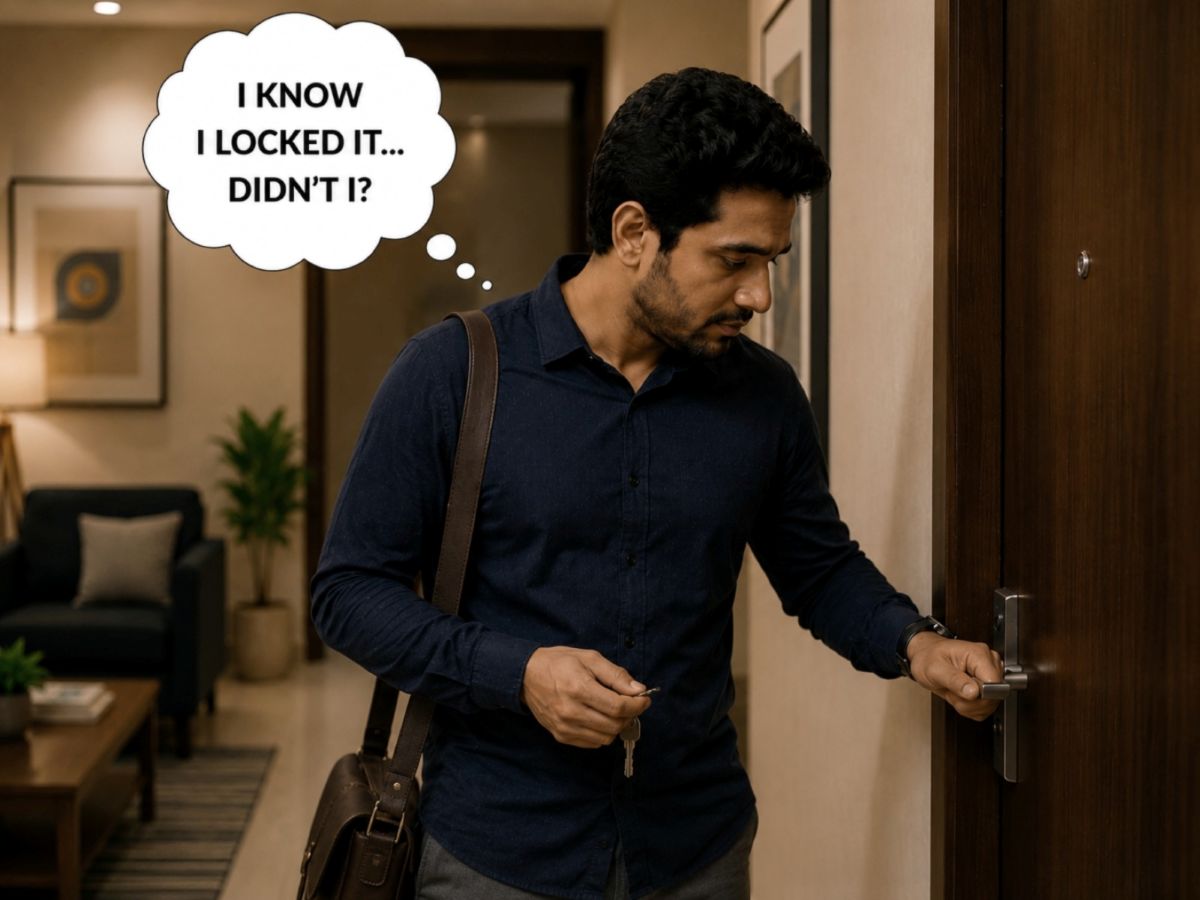
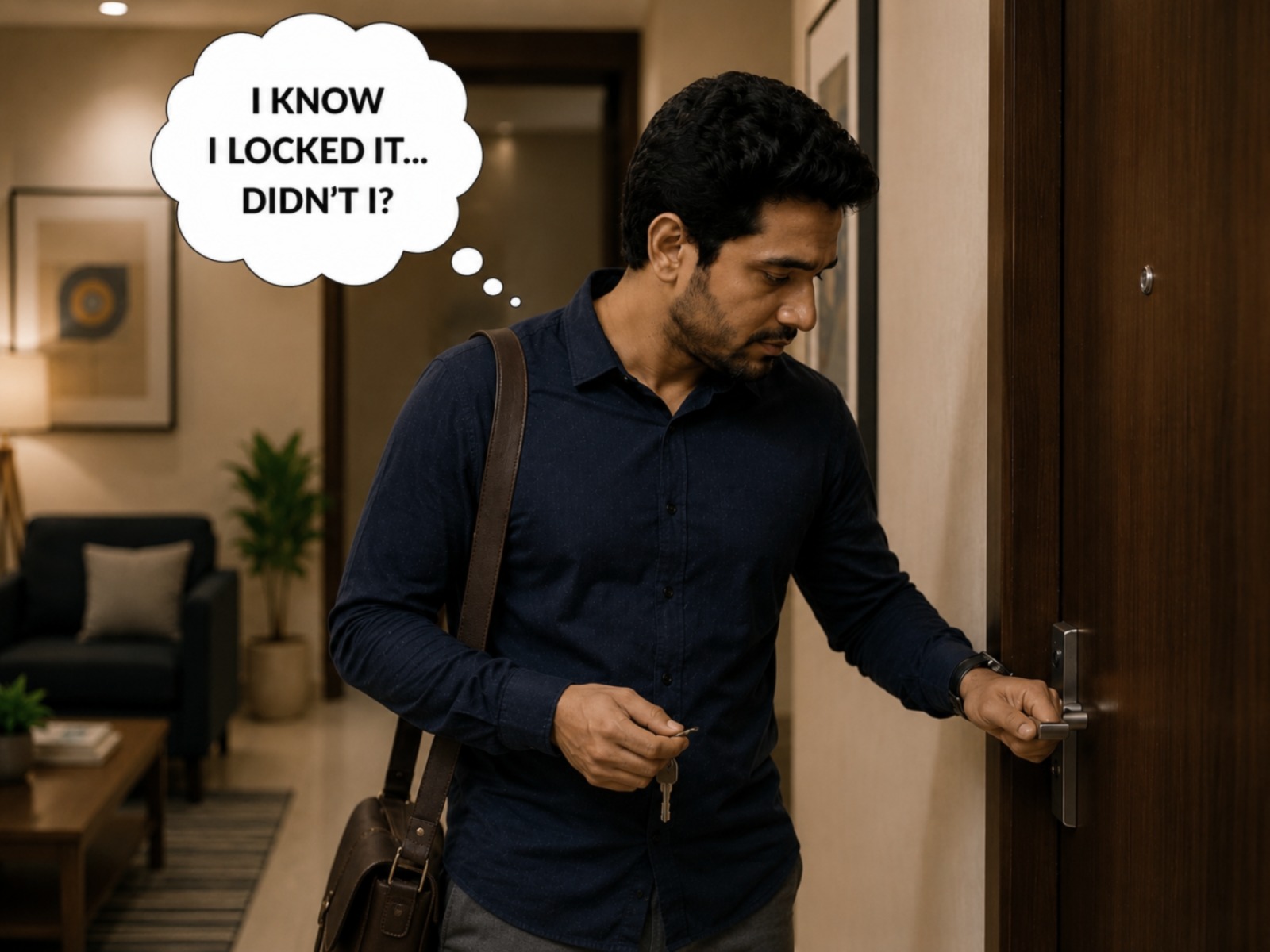
This can happen with the gas. The switch. The tap. The bolt on the window. It can happen three times or thirty. It can make you late to work. It can make your family wait in the car while you go back inside one more time.
And when you get to work, or wherever you are going, the doubt is still there. It did not go away just because you checked again.
Unwanted Scary Thoughts That Come Out of Nowhere
That is one kind of experience. Here is another.
A thought comes into your head. Out of nowhere. It is a thought about harming someone you love, or something sexual that shocks you, or a doubt about your own faith that makes you feel ashamed. You did not choose this thought. You would never choose this thought. But it is there now, and it will not leave.
So you try to cancel it. You say a prayer, or a phrase, or you count something, or you go over the thought again and again trying to make it feel okay. For a little while, maybe it feels better. Then the thought comes back. And you do it all again.
Why You Have Not Told Anyone
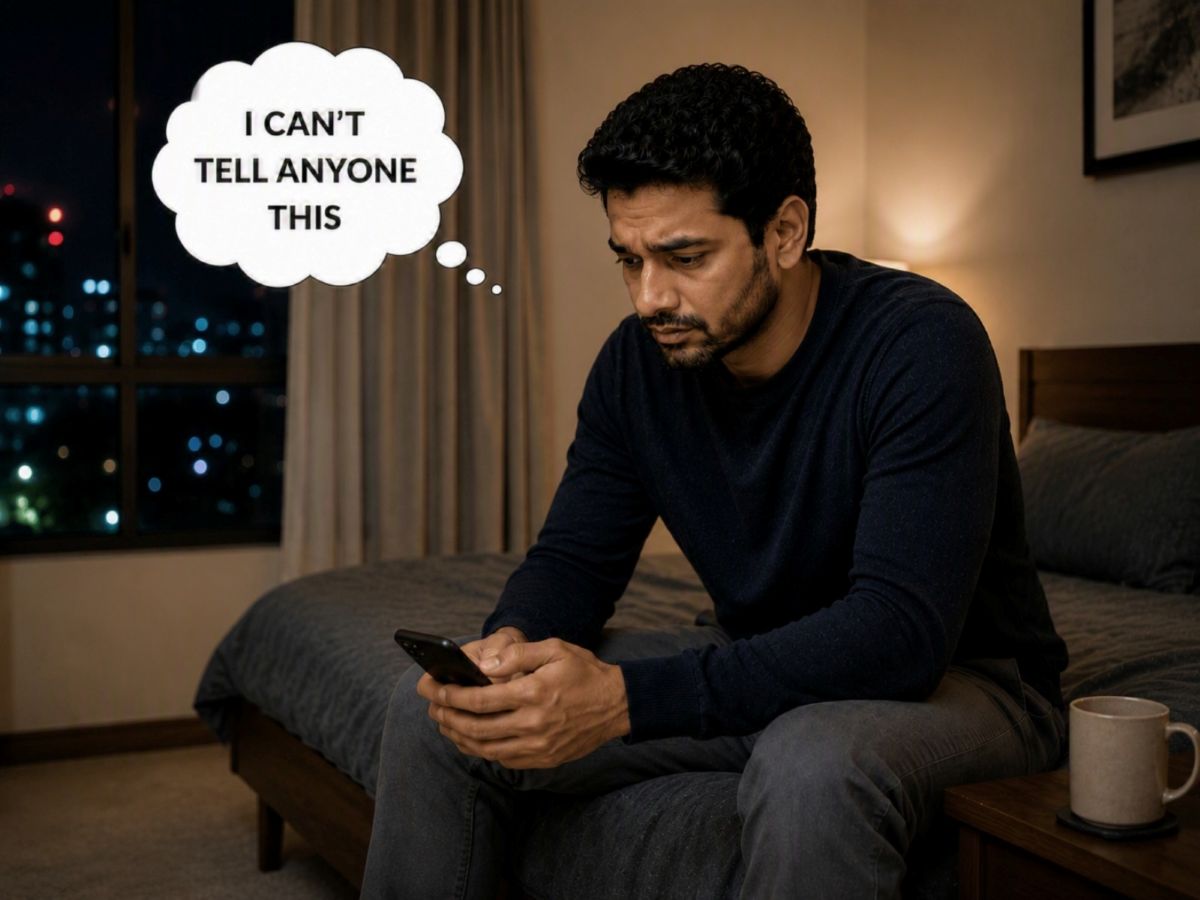
You have not told anyone. Because how do you explain this? How do you say: I had a terrible thought, and I am scared it means something is wrong with me? That maybe I could actually do something awful? That maybe I am not who I think I am?
You have probably Googled it at 2am and then closed the tab quickly.

When Your Rituals Look Like Prayer and Your Thoughts Feel Like Sin
There is something about this that is particular to India.
A lot of the rituals that come with this kind of experience, repeating prayers, washing, counting, touching things in a certain order, can look exactly like religious practice to anyone watching. So people do not always notice that something is wrong. Or they tell themselves: this is just devotion, this is just being careful.
And then the thoughts come. The ones about God, or about faith, or the ones that feel like a sin. And now the shame is different. Now it is not just: something is wrong with my mind. It is: maybe I am a bad person. Maybe I do not deserve to be in that temple, or that prayer, or that family.
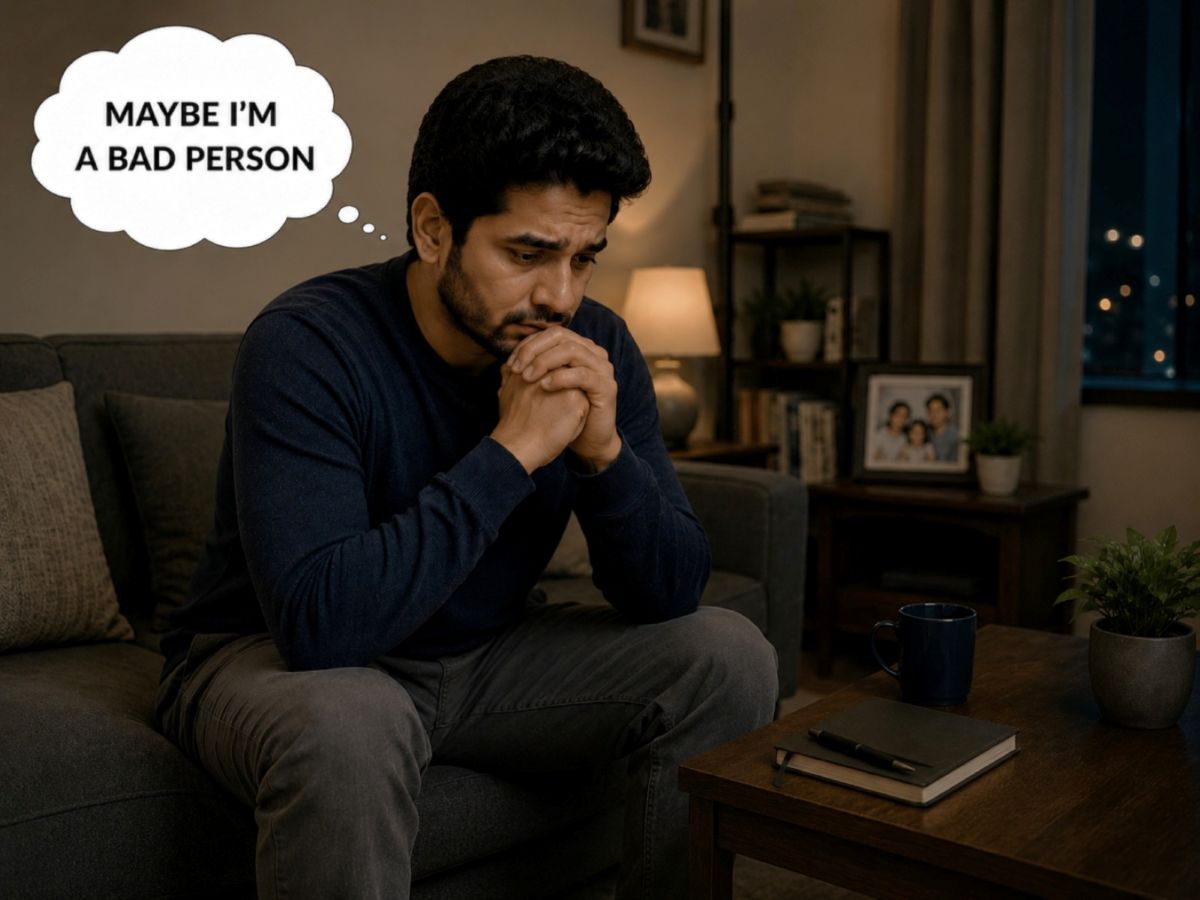
That is a very heavy thing to carry. Especially alone.
What You Are Going Through Has a Name: OCD
What you are describing has a name.
How the OCD Loop Works
It is called OCD. Obsessive-compulsive disorder. And it is not what most people think it is. The real thing is a loop in the brain that gets stuck. A doubt appears. The brain says: this might be dangerous. The brain says: do something to make it safer. You do something. The brain says: are you sure? And the loop starts again.


The Thought Is Not You
This is not something wrong with your character. It is not proof of who you are. It is not your thoughts telling you the truth about yourself. It is a brain that is stuck in a loop of doubt it cannot stop on its own.
The thoughts feel like they mean something. That is the cruelest part of OCD. It picks the things you care about most. Harm, faith, family, the people you love. And it sends you thoughts about exactly those things. Not because you want to harm anyone. Not because your faith is weak. Because your brain has got stuck on the thing that feels most important to protect, and it cannot stop checking.
The thought is not you.
Can It Get Better? Yes. Here Is Where to Start
People do get better from this. Not in the sense of never having a hard day, but in the real sense: the thoughts stop feeling so powerful, the rituals take up less of your day, you start to feel like yourself again. That is something real, and it is something possible.
If any of this sounds familiar, you do not have to keep carrying it alone. Talking to someone who understands this, really understands it, not just the textbook version but the 2am version, the shame version, the “I cannot tell anyone what is in my head” version, is the kind of help that actually makes a difference.
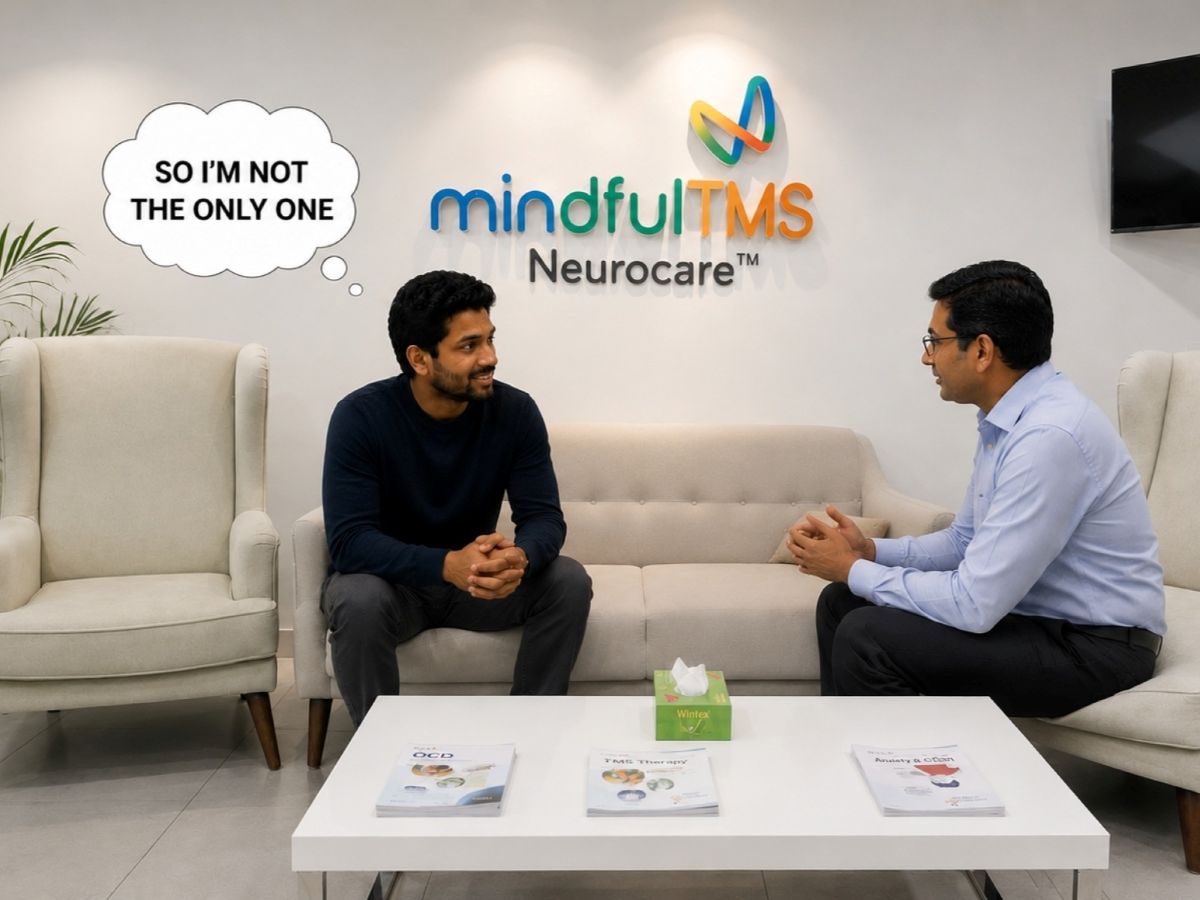
You do not have to explain everything at once. You just have to say: I think something like this is happening to me.
That is enough to start.
Read nextUnderstanding OCD: why it is not a habit and why it does not go away on its own →Talk to Someone Who Understands
Your information is secure and confidential.
Frequently Asked Questions
Honest answers to 147 questions people ask most about OCD and rTMS treatment.
Is It OCD?
Understanding OCD and Its Treatment
For Families and Parents
About rTMS for OCD
Does rTMS Work for OCD?
Safety and Side Effects
rTMS, Medicines, ERP and Other Options
Is rTMS Right for Me?
Your rTMS Sessions
Getting Started, Cost and Choosing a Clinic
Still Have Questions?
If you did not find your answer here, our team is happy to talk it through — in whichever way feels easiest for you.
Your information is secure and confidential.