

rTMS for Anxiety
MindfulTMS treats anxiety with rTMS. We have three clinics, in Delhi and Bangalore, and our team has been doing this since 2018. You are in the right place.
Request a Callback. Call us or message us on WhatsApp. We will get back to you the same day.
Your information is secure and confidential.
Your First Visit
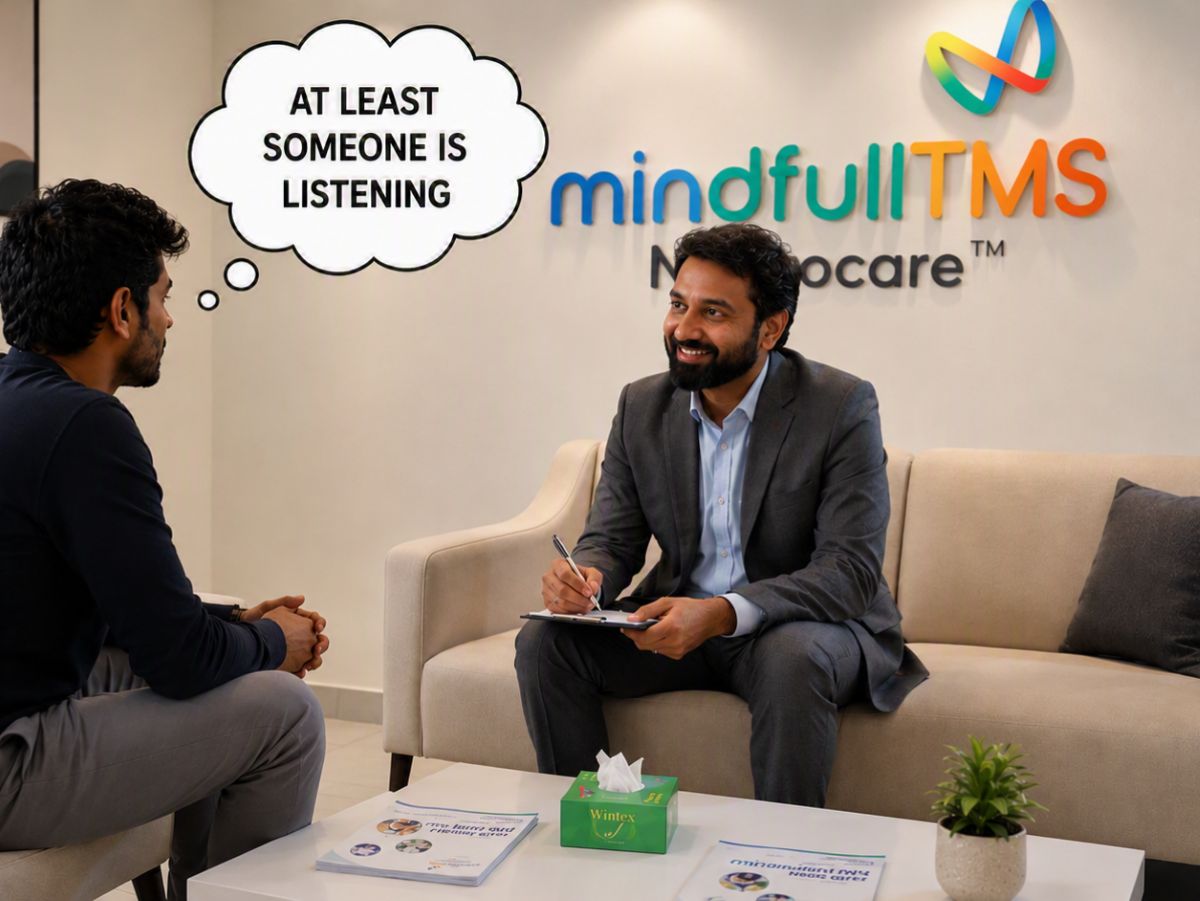
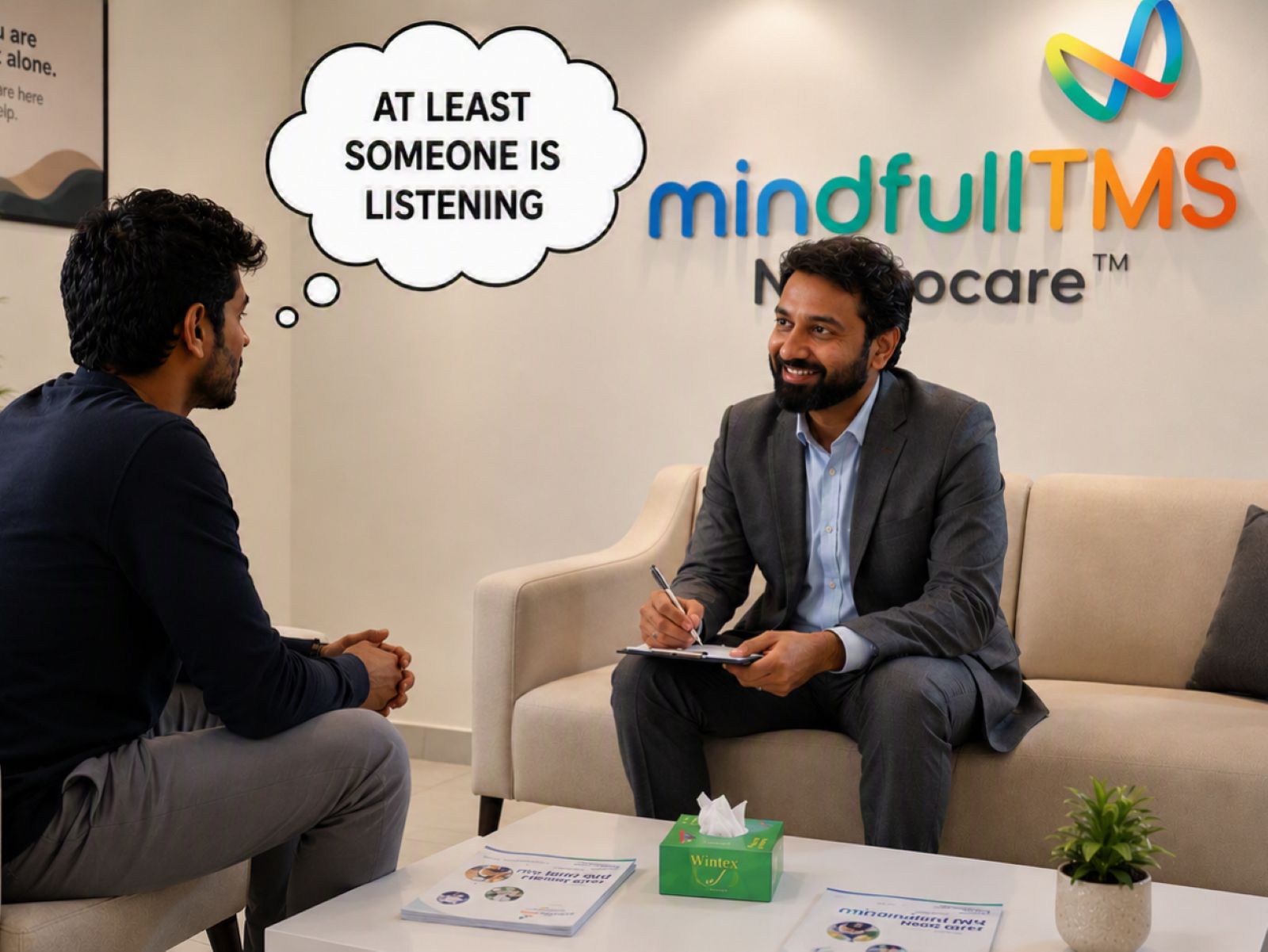
You will sit with one of our doctors. They will listen to you properly, what has been happening, what you have already tried, and what you are hoping for. Together, you will decide if rTMS is the right next step for you. There is no pressure. The first visit is just a conversation.
What the Sessions Are Like
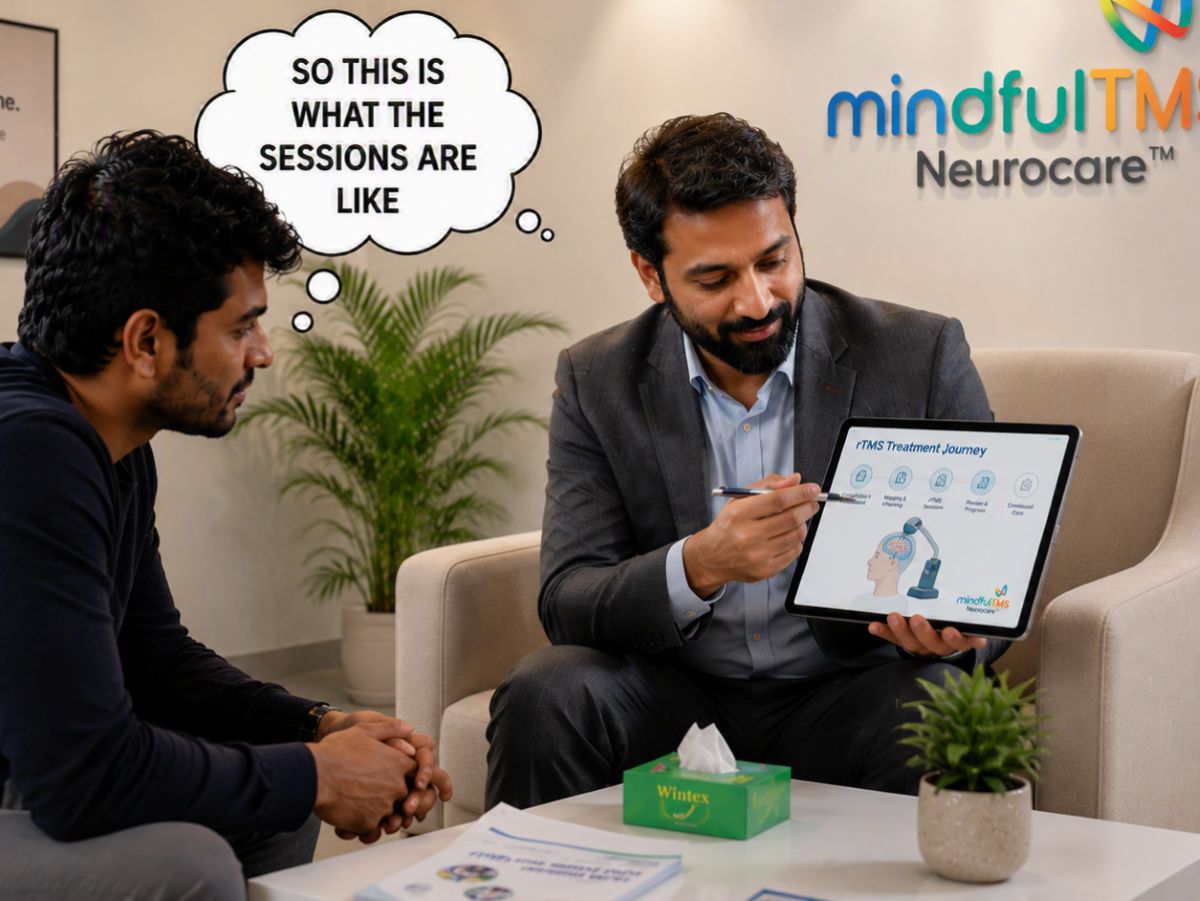
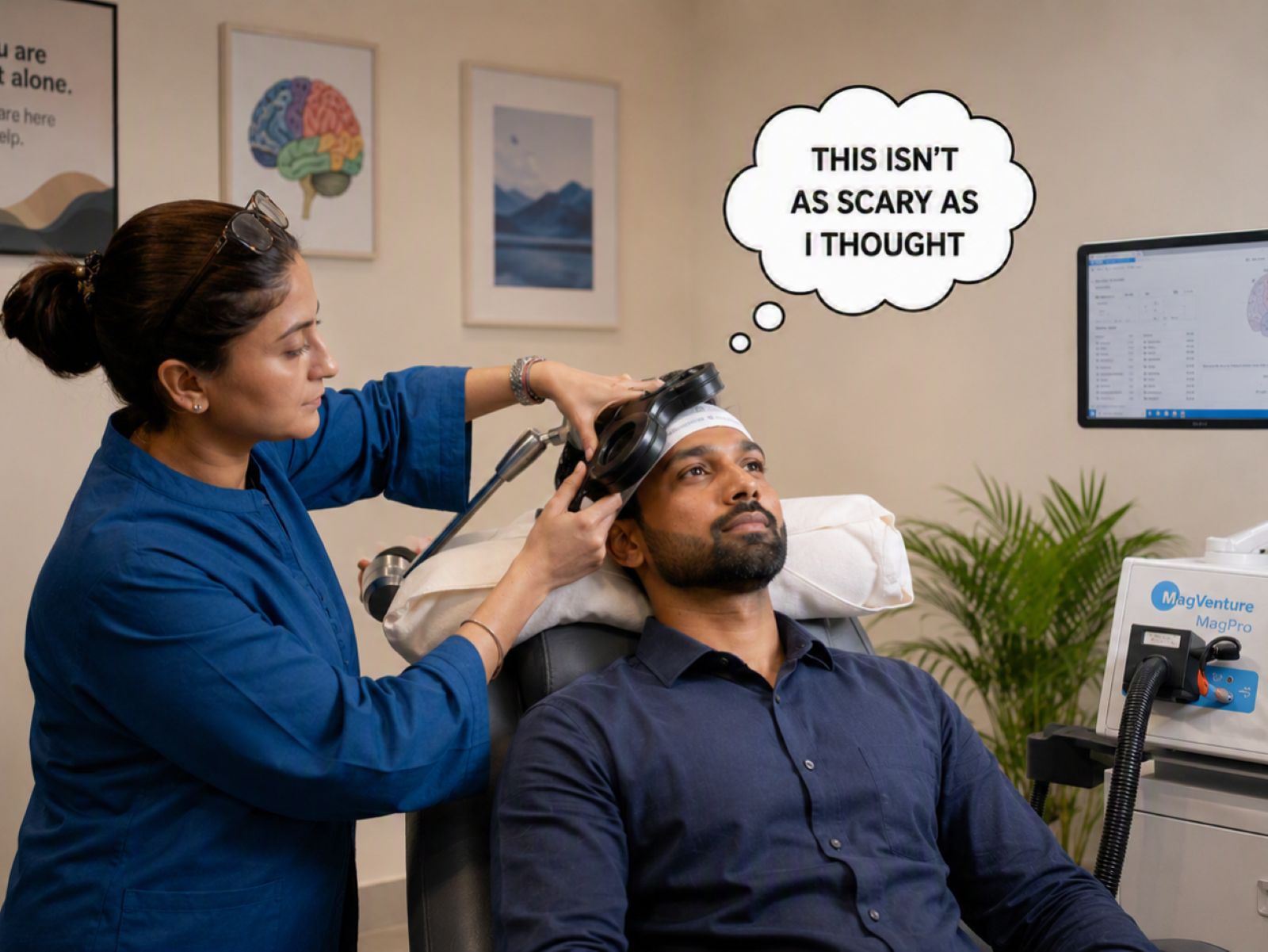
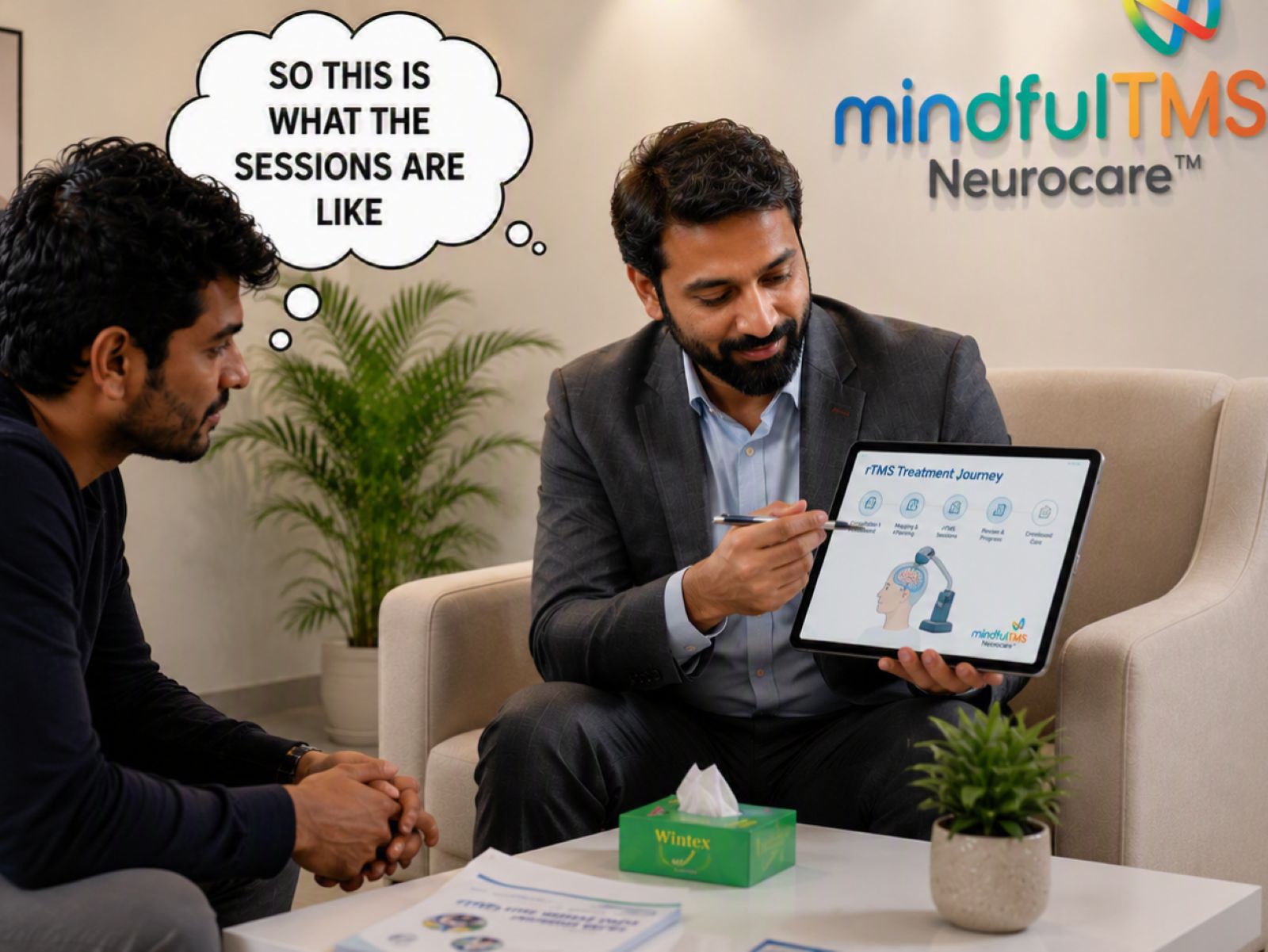
You sit in a comfortable chair. A small device is placed near your head. You feel a light tapping on your scalp. That is it. Each session takes 20 to 40 minutes. No needles, no sedation, nothing to recover from. When it is done, you get up and go about your day.
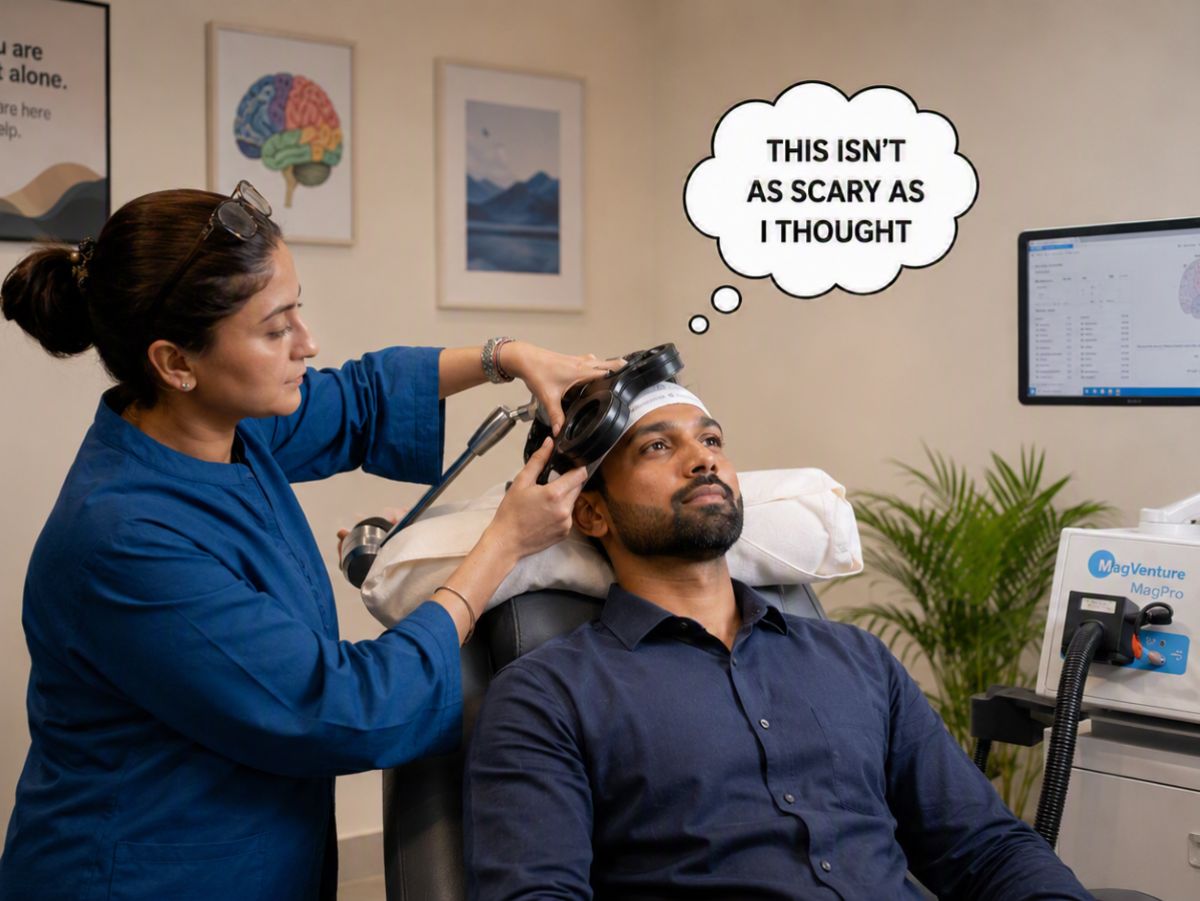
A full course is usually 25 to 30 sessions over five to six weeks, five days a week. Someone from our team is with you during every session and keeps track of how you are doing throughout.
Why People Come to MindfulTMS
More than 800+ people have been treated at MindfulTMS. Our team has done over 20,000+ rTMS sessions. This is not one service among many for us. It is what we do every day.
We also offer therapy along with rTMS, at the same clinic. Our doctors and therapists work together on your care. You do not have to run around to different places.
Our Three Clinics
GK1, New Delhi
South Delhi. rTMS, therapy, psychiatry, and neurofeedback, all in one place. Our first clinic, open since 2018.
Clinic details and directionsWhitefield, Bangalore
East Bangalore, easy to reach from Whitefield, Marathahalli, and the IT corridor. rTMS, therapy, psychiatry, and neurofeedback.
Clinic details and directionsHebbal, Bangalore
Inside Aster CMI Hospital, North Bangalore. rTMS, therapy, and neurofeedback. Psychiatry is not available here. If you need medicines managed along with rTMS, our Whitefield clinic is the right place for you.
Clinic details and directionsTalk to Us
You do not need to be sure. Come once. Talk to us.
Request a Callback. Call us or message us on WhatsApp. We will get back to you the same day.
Your information is secure and confidential.
rTMS for Anxiety: Does It Help, Who It Helps, and What to Expect

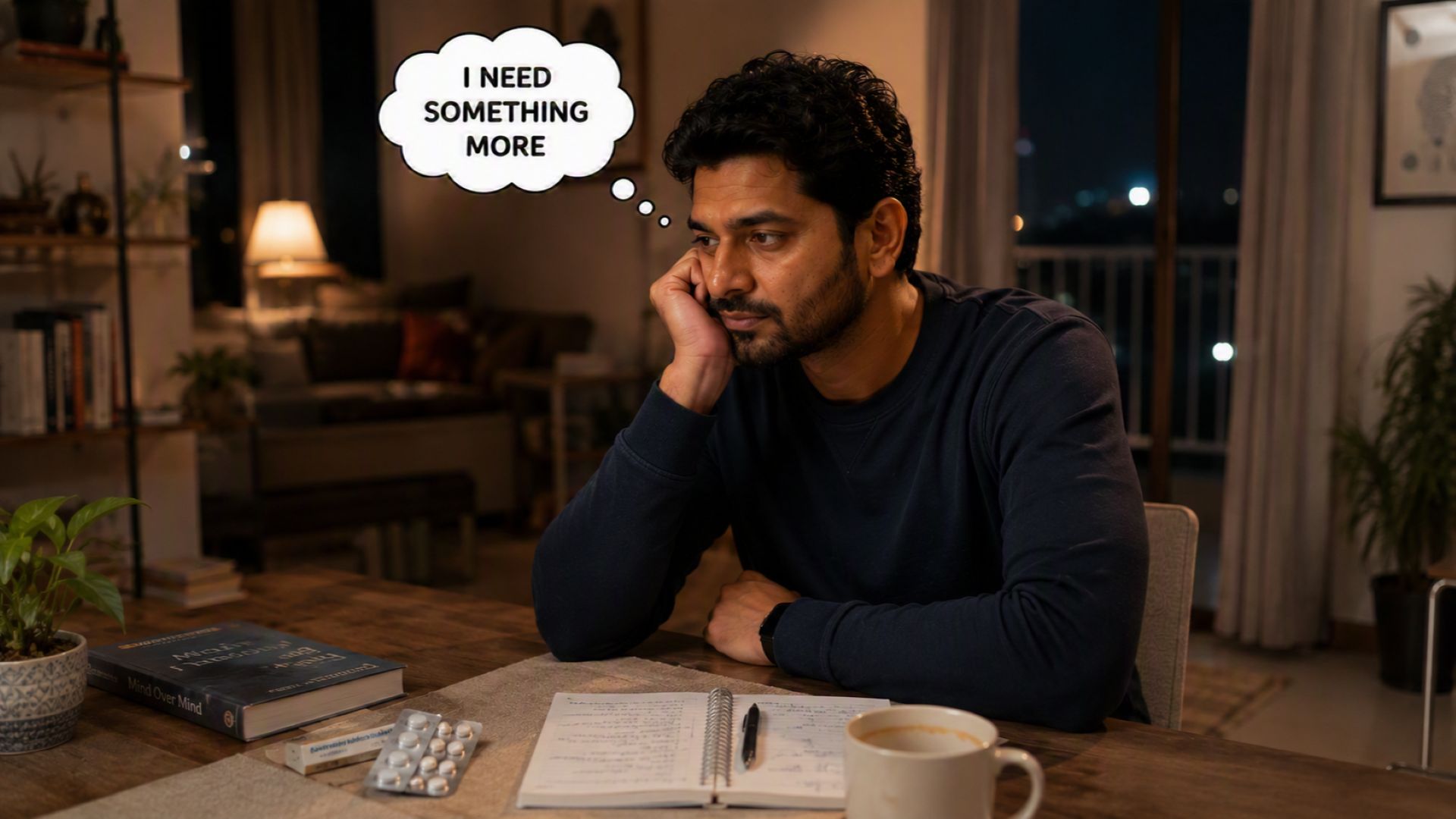
You have already tried things. Maybe you went to a therapist. Maybe you tried medicines. Maybe the medicines helped a little, or helped for some time, or the side effects were too much to handle. And still, you are not fully okay. The anxiety is still there. It is there when you wake up. It is there at work. It is there even when nothing is actually wrong.
This is not because you did not try hard enough. It is just how anxiety works for some people. It does not always go away with the first thing you try. Sometimes you need something more.
rTMS is one option that is now available in India. This article will tell you honestly what it is, what the research says, what the sessions feel like, and whether it might be right for you.
What Is Actually Happening in Your Brain
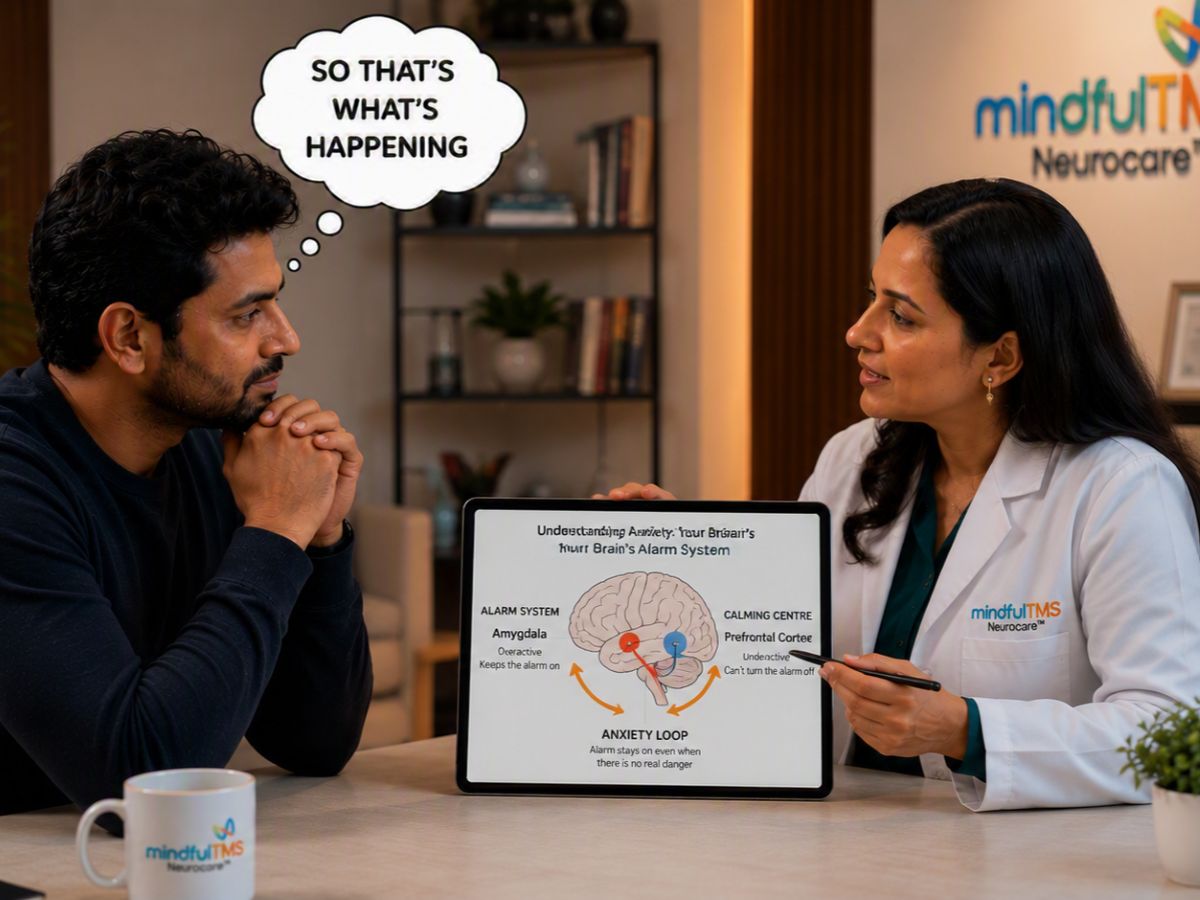
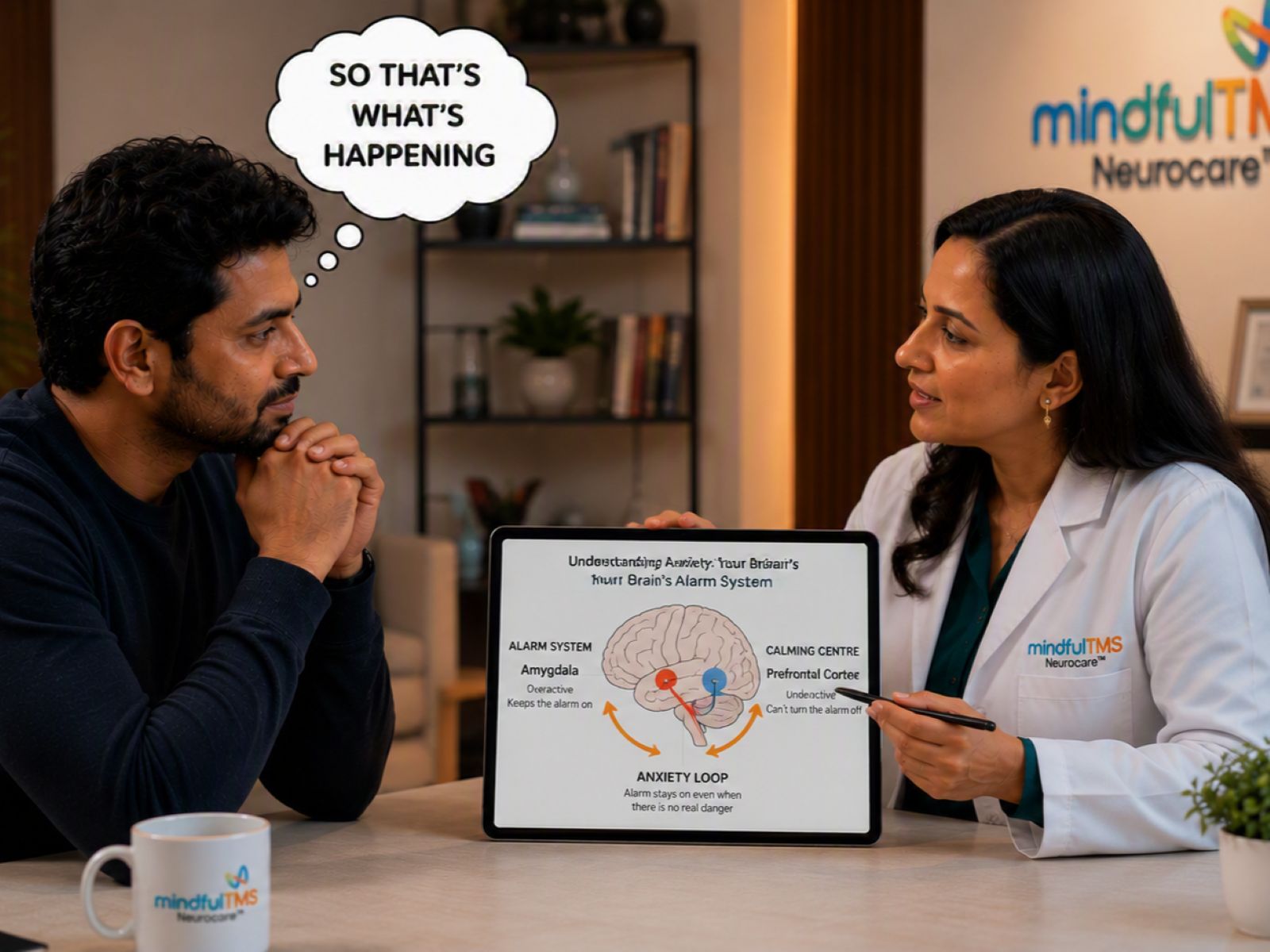
Anxiety is not just worry. It is an alarm in your brain that keeps going even when there is nothing to be afraid of.
Your brain has an alarm system. When something scary or stressful happens, the alarm goes off. That is normal. But in people with anxiety, the alarm keeps running even after the danger is gone. The part of the brain that is supposed to say “okay, we are safe now, calm down” is not doing its job properly. So the worry keeps coming. The tension stays in your body. You cannot switch it off even when you want to.
rTMS sends gentle magnetic pulses into that part of the brain. Not electricity. Not medicines. Just magnetic pulses, similar to what an MRI machine uses. Over a course of sessions, this helps that part of the brain work better. It starts doing its job again. The alarm starts switching off the way it should.
What the Research Shows
Studies have looked at rTMS for anxiety, and the results are good enough that doctors now take it seriously as a real option. Many people with anxiety see real improvement. Studies are still happening, and it works differently for different people. But enough has been done for this to be worth a proper conversation.
The honest answer is that it will not help everyone. No treatment does. The best way to know whether it can help you is to come in and talk to our team. They will look at your full situation before suggesting anything.
What the Sessions Feel Like
You sit in a comfortable chair. A small device is placed near your head. You feel a light tapping on your scalp. That is it.
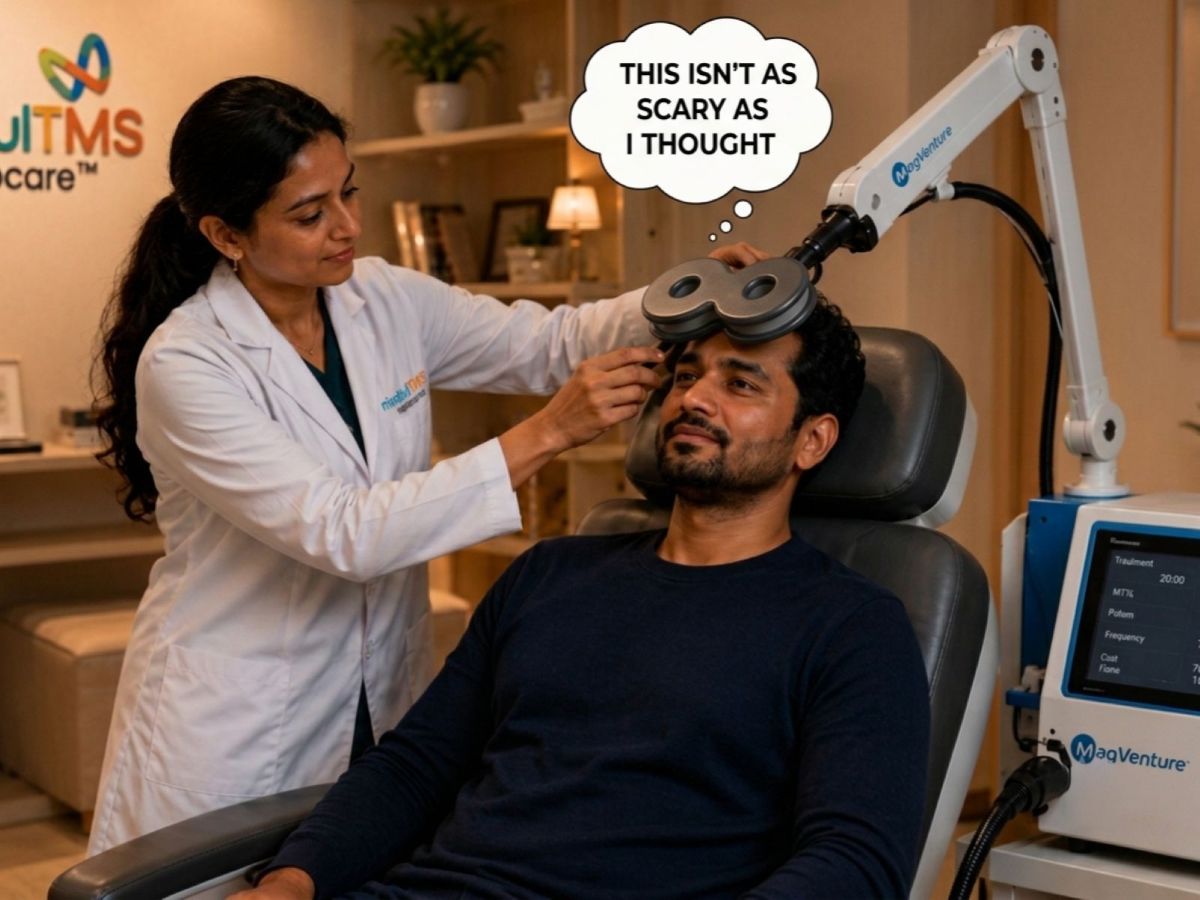
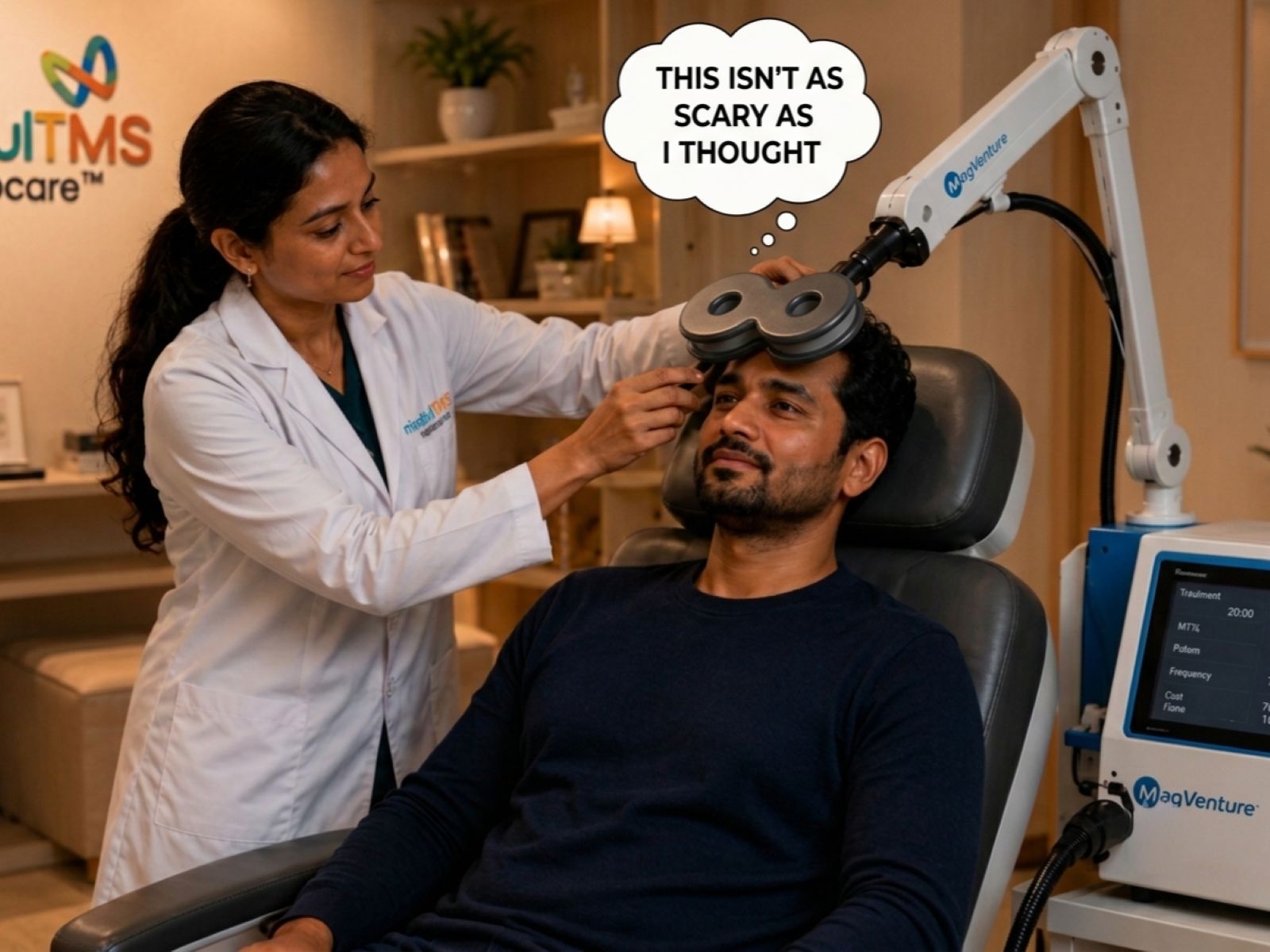
Each session takes 20 to 40 minutes. No needles, no sedation, nothing to recover from. You can watch something on your phone, listen to music, or just sit quietly. Someone from our team is with you the whole time. When the session is done, you get up and go about your day. You can drive. You can go to office. You can go home and have lunch.
Most people find the sessions easy. The first one or two can feel a little strange just because it is new. By the end of the first week, most people are very comfortable with it.
Why rTMS and Therapy Together Work Better
rTMS helps calm the brain down. But that is only one part of getting better.
Anxiety also changes the way you think about things over time. The way you look at situations. The things you start avoiding. The thoughts that come automatically. Therapy helps you work on those. It gives you tools to deal with what comes up, even when you are not in the middle of a session.
When you do rTMS and therapy at the same time, they help each other. A calmer brain takes in what therapy is teaching much more easily. And the things you learn in therapy help you hold on to the improvement from rTMS for longer. Together, they do more than either one can do alone.
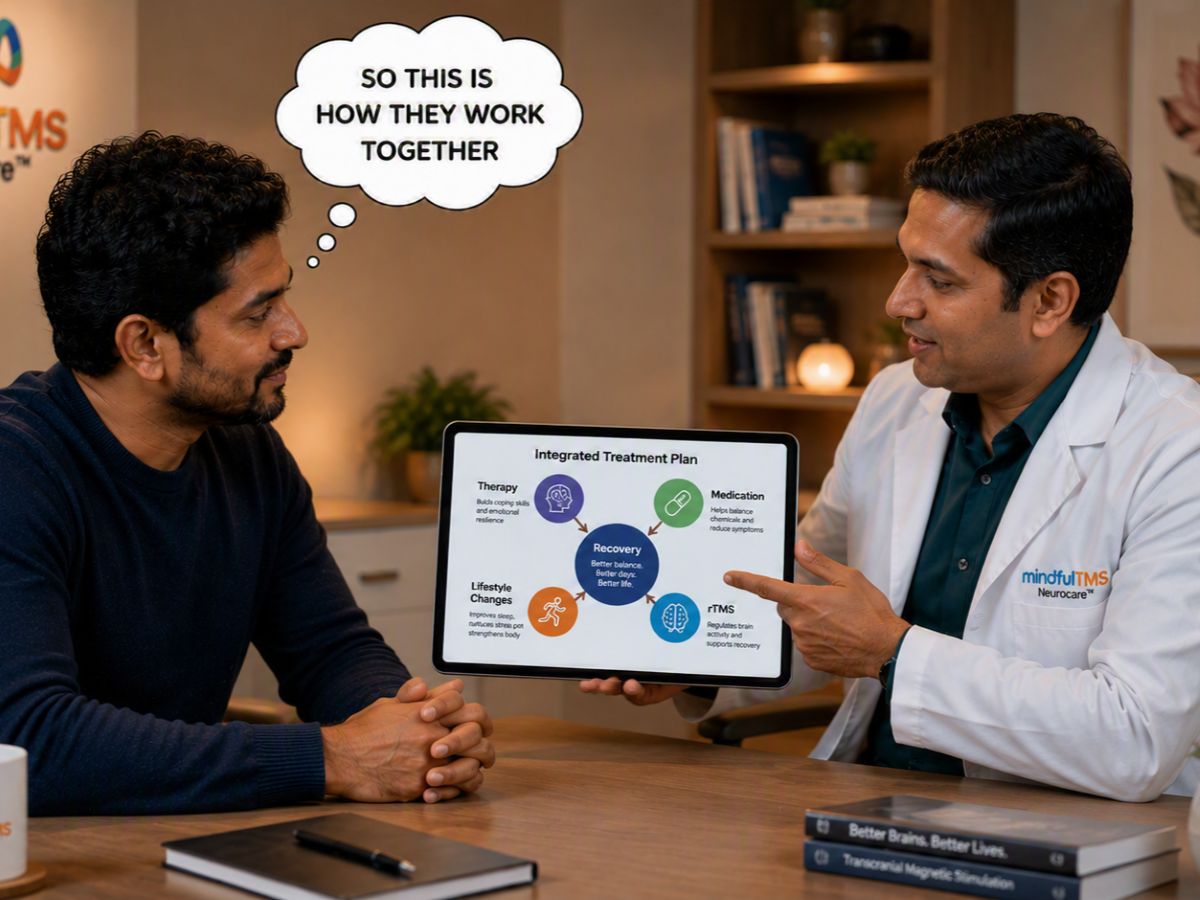

At MindfulTMS, rTMS and therapy are available at the same clinic, whether you come to us in Delhi or Bangalore. Our team will help you figure out what makes sense for your situation.
Practical Questions
Who Is a Good Fit for rTMS
rTMS tends to help people who:
- Have tried therapy, medicines, or both, and are still not feeling well enough
- Want an option that does not mean staying on medicines for a long time
- Are able to come in regularly for five to six weeks
- Have anxiety that is affecting their daily life, work, or relationships
rTMS cannot be done if you have metal implants near your head, such as a cochlear implant or certain types of surgical clips. Dental fillings and braces are fine. If you have a pacemaker or another device inside your body that is affected by magnetic fields, rTMS is not safe for you. Our team will check all of this carefully before anything is recommended.
It is also worth saying honestly: rTMS takes time, and you do need to come regularly and give it the full course. It is not a quick fix, and it works differently for different people. What we can say is that enough studies have been done for doctors to take it seriously, and that it is worth one conversation, especially if you have been trying other things and are still not feeling okay.
Frequently Asked Questions


Talk to Our Team
If you have read this far, you are probably taking your situation seriously. That is a good thing.
Anxiety that has not fully responded to what you have already tried does not have to stay that way. Come once. Talk to us. You do not need to have decided anything. You just need to want to understand your options.
Your information is secure and confidential.
Understanding Anxiety: Why It Happens and Why It Does Not Go Away on Its Own


You know that feeling before a big exam or an important interview? Your heart is beating fast, your stomach feels tight, your mind is racing. That is normal. It passes once the moment is over.
But for a lot of people, that feeling does not pass. It just stays. In the morning when you wake up. During dinner with family. On a Sunday afternoon when there is nothing to worry about. Your body feels like something bad is about to happen, even when everything around you is completely fine.


That is what anxiety actually feels like from the inside. Not just worry. Tiredness. The kind that comes from being tense all day without knowing why. You avoid certain situations because you know how worked up you will get. You lie awake at night because your mind will not stop. You replay conversations from three days ago. You second-guess things you already decided. People around you say “just relax” and you genuinely want to, but you do not know how to make it stop.
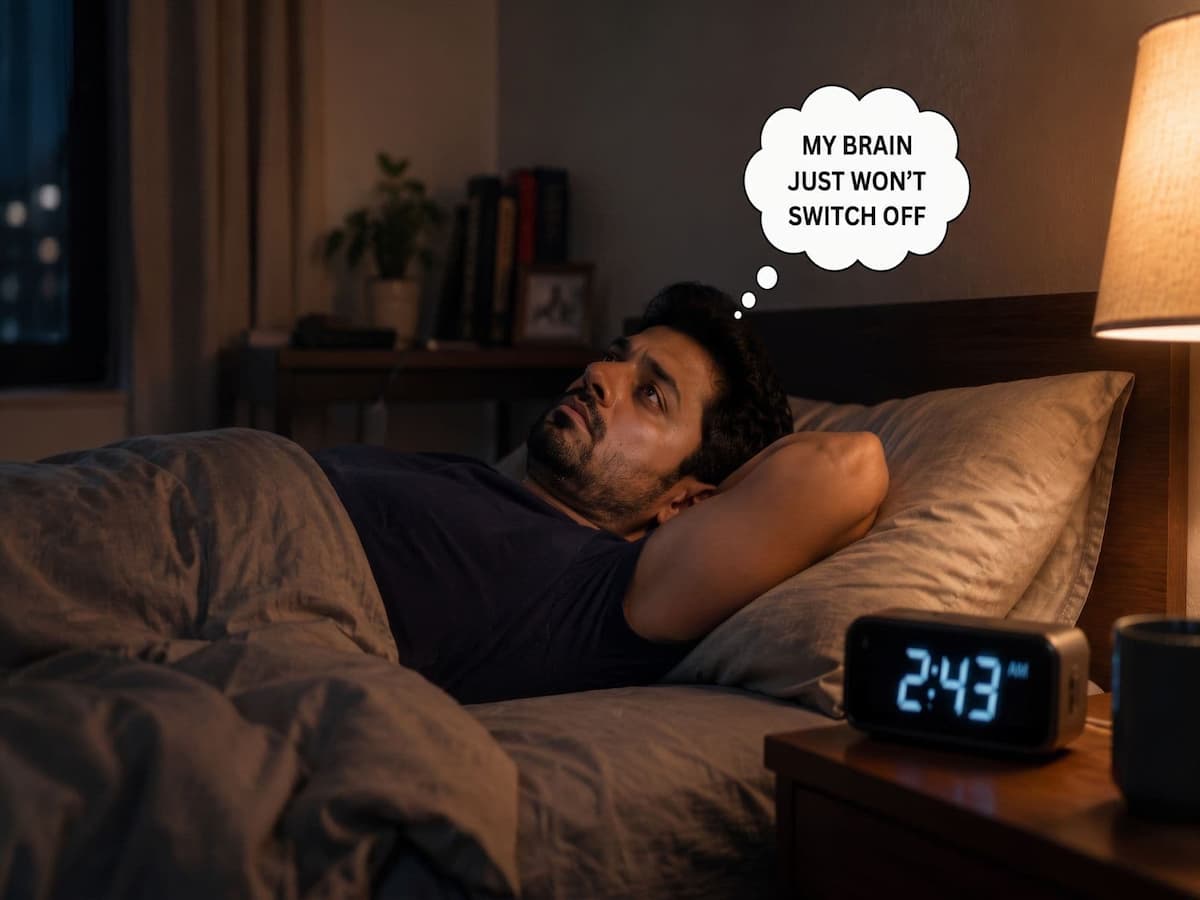
If this sounds like you, you are not alone. And you are not weak. Something is happening in your brain, and it is not something you can just think your way out of.
What Is Actually Going On in Your Brain
Your brain has a part that is built to protect you. When it senses danger, it puts your whole body on alert. Your heart beats faster. Your muscles tighten. Your thoughts focus on the problem. This system is useful. It has kept human beings safe for thousands of years.
The problem is that this part of the brain cannot always tell the difference between a real danger and an imagined one. It reacts the same way to a tiger in the jungle as it does to a WhatsApp message you are nervous about opening. And once it starts, it is very hard to turn off on your own.
In people who have anxiety, this alarm in the brain is stuck in the “on” position. It goes off too easily, too often, and for too long. Over time, the brain gets into the habit of looking for problems even when there are none. This is not something you are choosing to do. The brain has genuinely learned to stay on alert, and now that is just how it runs.
This is not a personality problem. It is not that you are “too sensitive” or “thinking too much.” It is not a flaw in who you are. It is a pattern the brain has settled into, usually because of a mix of things: how you were born, the stress you have been through, difficult things that happened, and how your mind learned to cope over the years.
Why It Does Not Just Go Away
When someone at home says “keep yourself busy” or “go for a morning walk” or “stop overthinking, just pray and sleep,” they mean well. And some of these things do help a little. Exercise reduces stress. Distraction gives some relief. Prayer and routine give comfort.
But when anxiety has become a pattern in how your brain works, these things are not enough to change it. You can stay busy all day and still feel the tension the moment you sit down. You can go for a walk and feel better for an hour and then feel exactly the same by evening.
This is because you are managing the feeling on top, but the pattern underneath is still running. After months or years of this, the exhaustion of constantly managing it starts to wear you down. You start avoiding things. You stop doing things you used to enjoy. It starts affecting your sleep, your work, your relationships.
Anxiety does not get worse because you are doing something wrong. It gets harder over time when it is not properly addressed, because the brain keeps repeating the same pattern. The longer it goes, the more settled that pattern becomes.
What Actually Helps
The good news is that anxiety gets better with the right help. Studies show that about 60% of people who go through proper therapy see real improvement. Not just managing the feeling. Actually changing the pattern.
Therapy is usually where things start. A therapist who works with anxiety will not just ask you to talk about your problems. They will work with you on understanding how your mind is responding to situations, what is keeping the anxiety going, and how to respond differently over time. It takes a few weeks to start seeing a change, but what you learn stays with you.
Medicines are sometimes part of the picture. Not for everyone, and not forever. But when anxiety is making daily life very hard, medicines can bring things down enough so that the rest of the work becomes possible. They give your mind some breathing room.
Many families worry about dependence. This is an honest and understandable concern. It is worth knowing that the medicines used for anxiety today are not the same as the older tranquilizers that people were warned about years ago. Your doctor will explain clearly what is being suggested, how long it is likely to be needed, and how to stop safely when the time comes. You are always in control of that decision. No good doctor will push medicines on someone who does not need them or does not want them.
What works best, therapy alone, medicines alone, or both together, depends on the person and the situation. Your doctor will help you figure out what makes sense for you.
A Newer Option Worth Knowing About
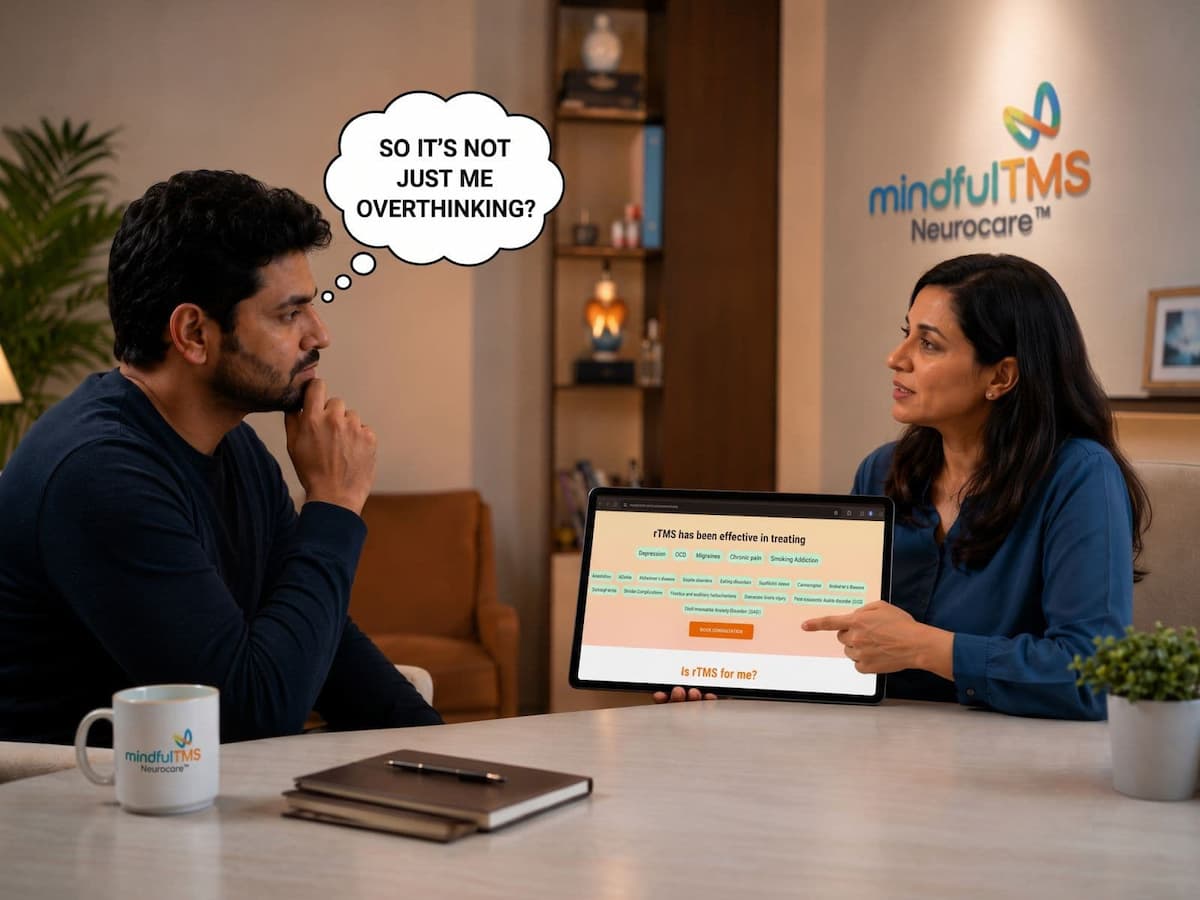
There is also a newer treatment called rTMS that is now available in India. Studies show it can help with anxiety, especially for people who have tried therapy or medicines and have not seen enough improvement. We will not go into the details here, but if you want to understand how it works and whether it might be right for you, you can read more in our article on rTMS for anxiety.
You Do Not Have to Figure It All Out First
If you have been sitting with this for months, waiting for it to get better on its own, you already know it is not working that way. You do not need to have everything figured out before you reach out. You do not need to know exactly what treatment you want. You just need to talk to someone who properly understands the problem.
Our team works with people suffering from anxiety every day, at our clinics in Delhi and Bangalore. The first conversation is just a conversation. No pressure. No commitment. Just an honest talk about what you are going through and what might actually help.
Your information is secure and confidential.
Why Can’t I Just Stop Worrying?
You are not the only one asking this. And there is an answer.
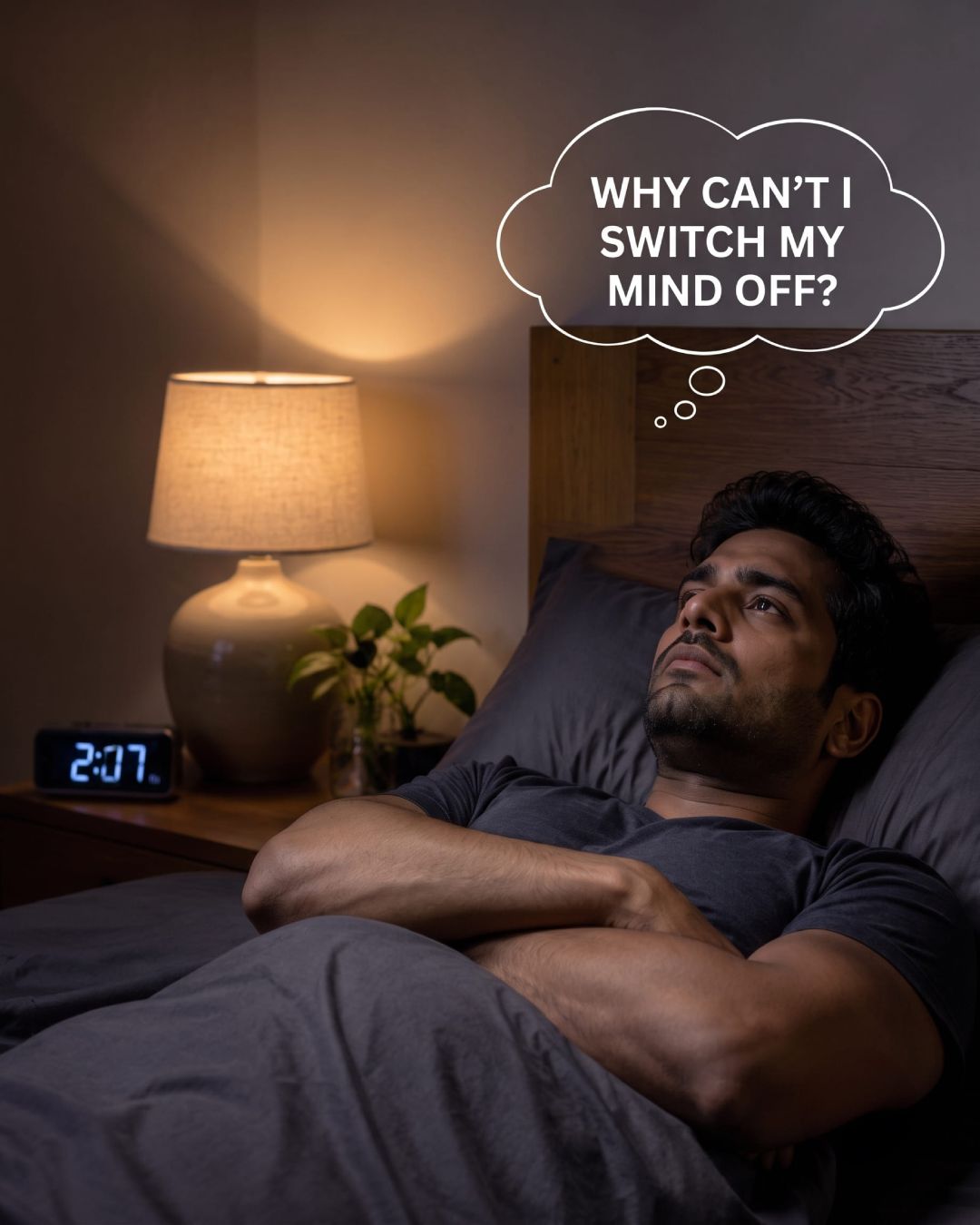
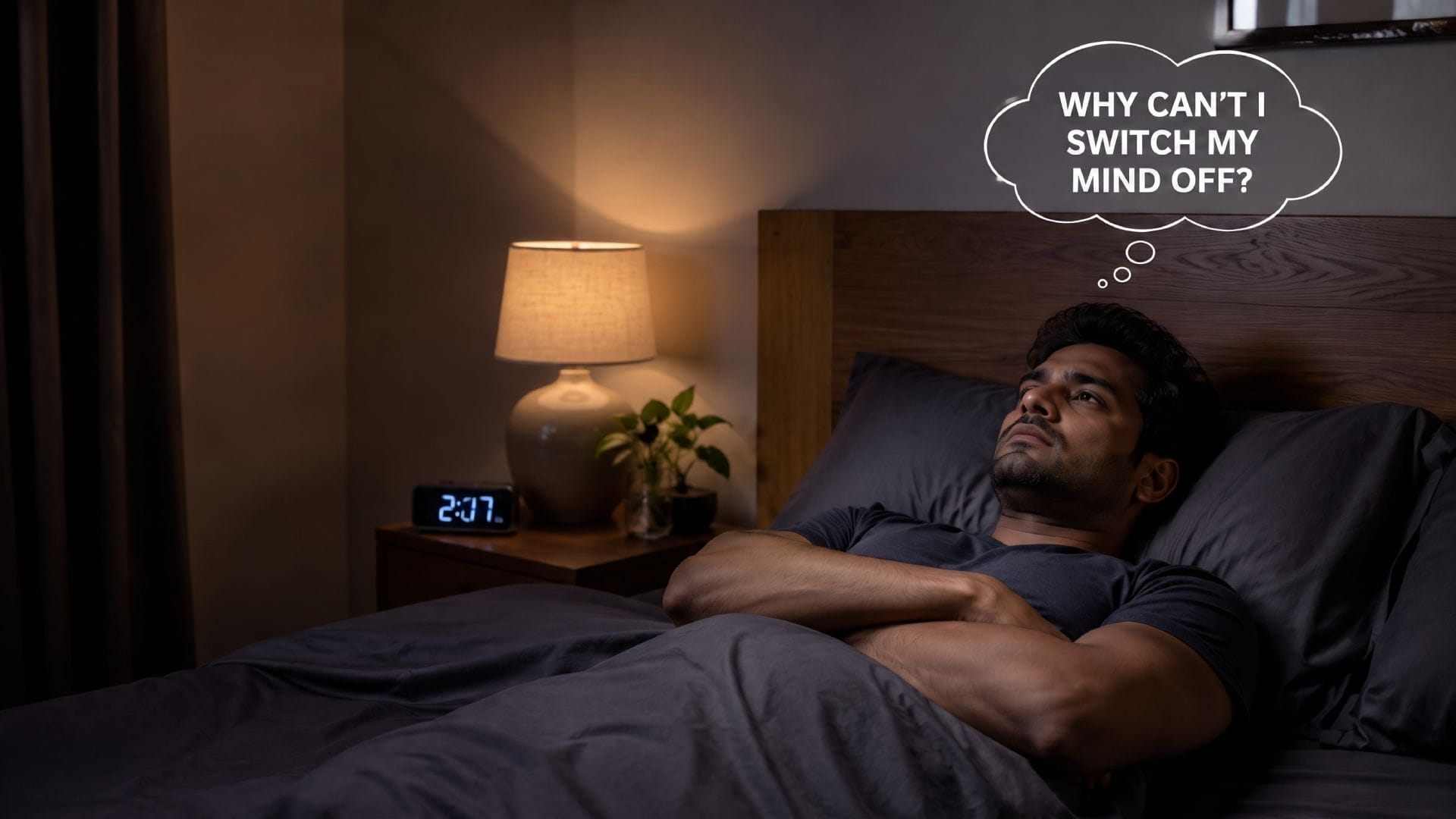
You lie down at night and your body is tired. But your mind is still running. You are thinking about something that happened three days ago. Or something that has not even happened yet. You tell yourself, okay, stop now. You take a breath. And then five minutes later the same thought is back. Same loop. Again and again.


It is not just at night. During the day also, something does not feel right. You cannot always say what exactly. But there is this feeling that something is wrong, or that it is about to go wrong. You feel restless, unsettled. Like you need to be ready, but you do not know what you are waiting for.
You feel tired even after sleeping. You find it hard to focus because your mind has already moved to the next worry, thinking about what can go wrong, what you should have said, what you still have to do. Small things start to feel like too much. You cancel plans because you just do not have the energy to go. And then you feel bad about cancelling.
The people around you say, “everyone has tension, yaar.” They say “stop overthinking” as if it is that easy. They say relax. And you want to tell them: I am trying. I have been trying for a long time. I am not doing this on purpose.
What you are going through has a name. It is called anxiety.
This is not nervousness before an exam. This is not normal stress about a deadline. This is when the brain gets stuck. It keeps looking for danger, keeps preparing for something bad, even when nothing bad is happening. Think of it like a watchman who keeps raising an alarm even when everything outside is quiet and safe. The watchman is not wrong to raise alarms. That is his job. The problem is he cannot tell when to stop.


This is not weakness. It is not being too sensitive. It is not drama. It is something the brain does. And when it keeps doing it for weeks and months, it starts affecting everything. Your sleep. Your energy. Your mood. Your relationships. And the things you used to enjoy do not feel the same anymore.
You are not imagining it. This is real.
It does not have to stay this way.
Many people who felt exactly like this had given up. They thought: this is just how I am. And they have started feeling better. Not just getting through the day, but actually feeling okay. Calmer. Sleeping properly. Enjoying their day. It takes time and the right support. But it is possible.
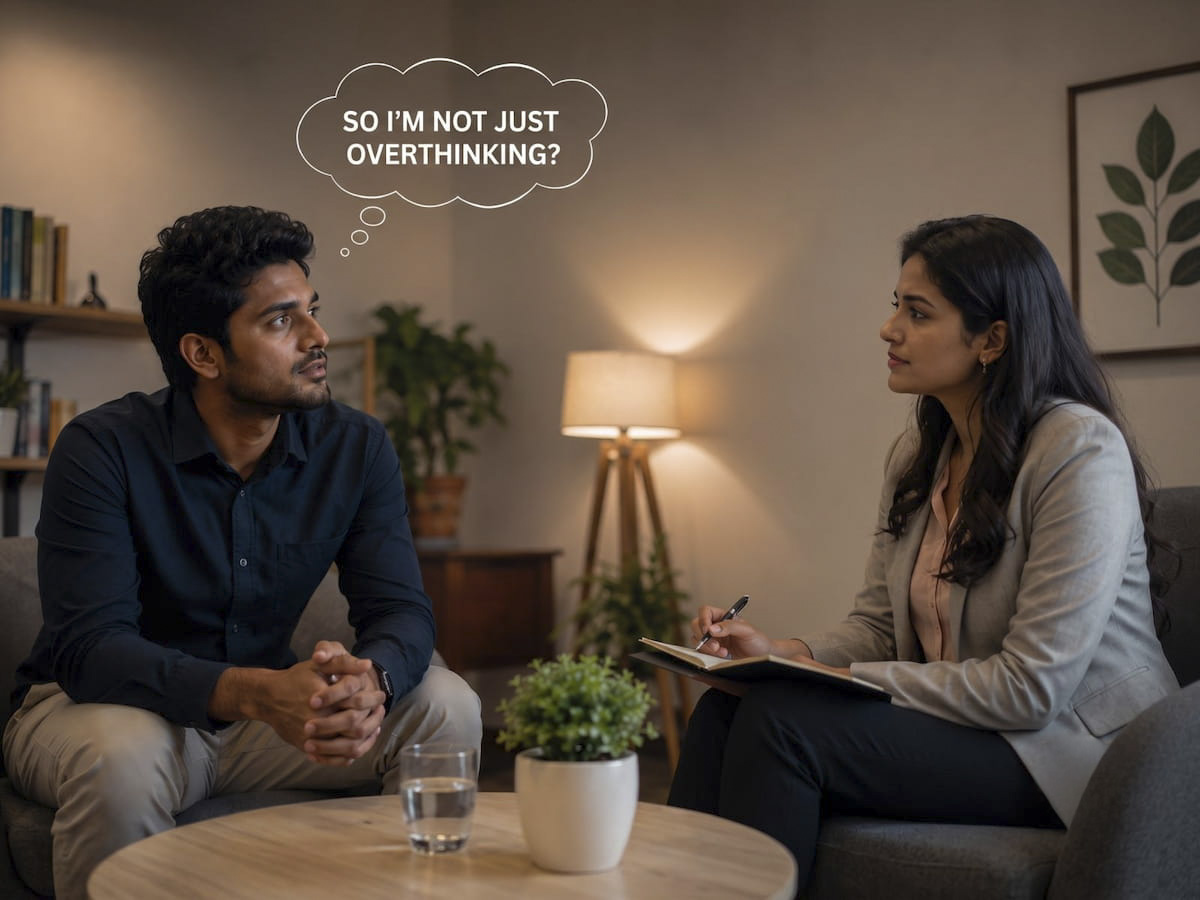
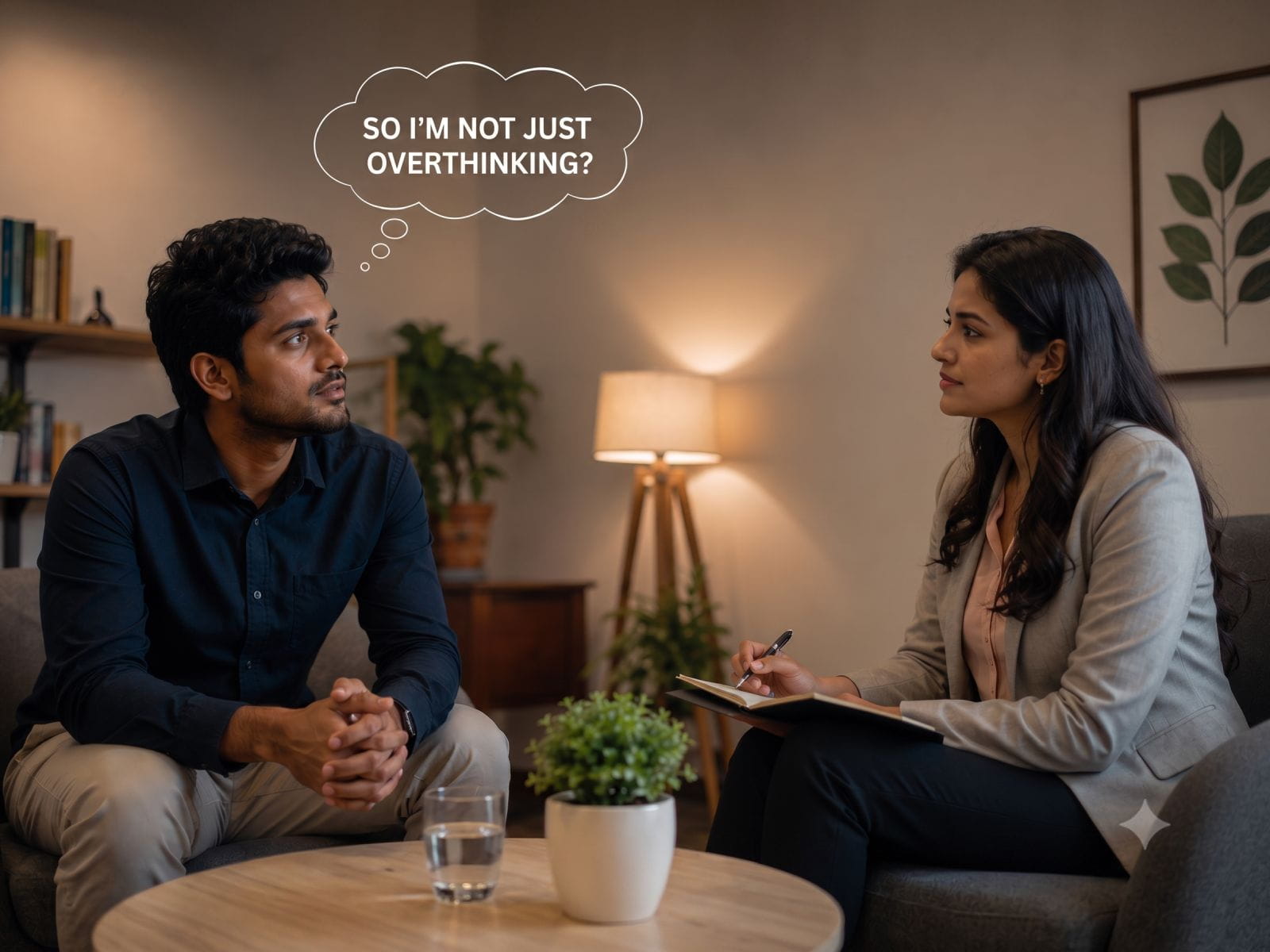
Does this sound like how you have been feeling? You do not have to figure this out alone. Just talk to us once. No pressure, no commitment. Just a conversation with someone who will listen properly.
Frequently Asked Questions
Honest answers to the questions people ask most about anxiety and rTMS treatment.
Why Can't I Just Stop Worrying?
Understanding Anxiety
Getting Started at MindfulTMS
Still Have Questions?
If you did not find your answer here, our team is happy to talk it through — in whichever way feels easiest for you.
Your information is secure and confidential.